Posted in Healthy Eating

Healthy Eating: Apples vs. Apple Sauce

Do You Get the Same Nutritional Benefits?

20121008-001652.jpg

Apple sauce is one of the most popular snacks today. Some say it is the ultimate healthy snack but others contend the fresh apples are still the healthier choice. If you put them on a food face-off, does apple sauce stand a chance against the fresh fruit? To know the answer, learn about the nutritional benefits that you can get from each side.

Nutritional Advantages of Apples

20121008-000132.jpg

Apples are very rich in vitamin C. In fact, eating one apple is equivalent to taking about 1,500 mg of vitamin C. This can help protect the body from harmful viruses and bacteria that can cause different kinds of illnesses including coughs and colds, among many others. Apples also contain malic and tartaric acid that aid in digestion and promote proper functioning of the liver. Fiber in apples works to lower cholesterol, regulate blood flow, and get rid of toxins in the body.

These fruits are also potent sources of powerful antioxidants such as flavonoid and polyphenols. Flavonoid also helps in bone protection, increase in bone density, and prevention of osteoporosis. Aside from flavonoid, boron, which is another mineral found in apples, also work to protect bones and make them stronger.

Apples can help relieve conditions such as headaches, arthritis, bronchial asthma, tuberculosis, gonorrhea, neuritis, insomnia, catarrh, halitosis and gall bladder stones. Eating these fruits can also slow down or prevent Alzheimer’s disease, diabetes, and different forms of cancer including liver, breast, colon, and lung. On top of these all, apples can also help curb obesity.

Health Benefits of Apple Sauce

20121008-001946.jpg

Apple sauce, on the other hand, also has its share of important health benefits for the body. This sweet and nutritious snack is an excellent source of antioxidants such as catechin, phloridzin and chlorogenic acid. All of these fight free radicals in the body to protect DNA and cells from oxidative damage that can lead to cancer.

Apple sauce also contains much fiber, offering 4 grams per serving. Like apples, apple sauce is also anti-inflammatory and can help relieve problems like arthritis by reducing inflammation in the joints and blood vessels.

This snack also has anti-cancer agents. The antioxidants found in apple sauce greatly reduce risks of certain cancers such as lung cancer and liver cancer.

Freezer Applesauce Recipe:
20121008-001305.jpg

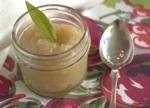
In a large pot combine over medium heat combine: 1.5 cups orange juice, 7-8 apples, peeled, cored and chopped and tons of cinnamon (at least 2-3 tbsp).

Cook and stir a few times for 15-20 minutes, or until your apples have softened. Remove from heat, allow to slightly cool then purée in a food processor. Pour into your glass jar of choice and freeze.

Which is More Nutritious?

As you can see on the nutritional information provided for both sides, both apples and apple sauce are healthy and nutritious. However, many health experts would agree that apples are indeed healthier than apple sauce. Most of the vitamin C and insoluble fiber in apples are present just beneath the peel of the fruit.

When apples are turned into apple sauce, some of these nutrients are lost in the process. Insoluble fiber is very important because it contains pectin, which is effective in reducing cholesterol levels, preventing heart diseases, and detoxifying the body.

Even though apples are more nutritious than apple sauce, this does not mean that you should skip your favorite sweet snack altogether. This only means that you should just eat fresh apples as much as apple sauce to be able to maximize the health benefits from these two foods.

Reference: article from http://www.3fatchicks.com
Posted in Holiday Good Eats

In Honor of Columbus Day: Homemade Butter

Christopher Columbus was an explorer, colonizer, and navigator, born in the Republic of Genoa, in what is today northwestern Italy. He is well known for his discovery of the American continents. Italian’s love their butter, so I thought you would enjoy this recipe.

Homemade Butter

20120717-222401.jpg

Yield: About 1/2 – 3/4 cup butter

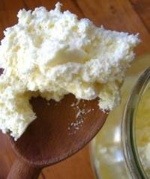
Make Homemade Crème Fraiche – 2 cups whole (whipping) cream and 4 tablespoons buttermilk

20120717-222619.jpg

Instructions – Combine in a glass container. Let sit at room temperature (around 70 degrees) at least 8 hours and up to 24. It is done when the cream is very thick. Can be refrigerated about a week if not used immediately.

To Make Butter – 2 cups crème fraîche, either store-bought or homemade and A pinch of sea salt

Take the crème fraîche out of refrigeration 45 minutes or so before you start so it gets close to room temperature.

Fill a bowl with 3-4 cups of water. Add ice so the water is cold. Set aside.

Put the crème fraîche in the food processor with the blade attachment, a stand mixture with the whisk attachment, or in a glass canning jar with a lid. All three work equally well. The benefit of using a food processor is that it is the fastest method and liquid won’t splatter everywhere like it will with a stand mixer. Manually shaking a glass jar builds a workout into the recipe, but takes longer.

To make the butter, process or whisk the crème fraîche for about three minutes, sometimes a bit longer. If you’re using a jar, shake for as long as you need to. With each method, the mixture will begin to thicken and look like whipped cream, then it will thicken even more and start turning a pale yellow color. At this point, buttermilk will begin separating from the butter.

20120717-223252.jpg

Stop and pour the buttermilk out, then process a little longer and pour out any additional buttermilk that appears. (You can save the buttermilk to drink or use it in any recipe that calls for buttermilk.)

Taste the butter. It will have a sour quality, which is from buttermilk that has not separated out yet. To give the butter a purer flavor, it must be rinsed.

Use a spatula to scrape the butter into a bowl. Add 1/2 cup of ice water and mash the butter and water together with a fork for about 30 seconds. The butter will repel the water, not soak it up, and the water will clean off any remaining buttermilk. Pour the liquid (which will be cloudy) out of the bowl.

Continue this process, 4 or 5 times, until the water no longer becomes cloudy.

Continue mashing the butter with a fork and pour out any last bits of liquid it releases. Stir in sea salt to taste if desired.

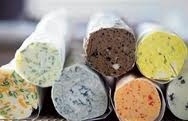
To Make Flavored Butter – If you are making a compound butter, mash the ingredient in with the butter now. Consider adding bacon or prosciutto bits, minced herbs, spices (try curry powder, paprika or red pepper flakes), minced garlic, cinnamon, lemon zest.

20120717-223013.jpg

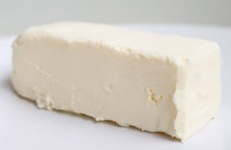
How to Store – Wrap the butter in wax paper and shape it into a log, or fill a small container with the butter. Keep the butter well covered in the refrigerator and use within a week or so. You can also freeze the butter for future use by wrapping in plastic wrap and put in freezer bag.

Posted in Meal Swap Recipes

Guest Cook: Homemade Smoked Chipotle

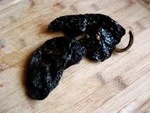
My husband Scott yesterday smoked Jalapeños. He loves tackling something he never has done before. Chipotles are just smoked Jalapeño peppers. The secret is to dry out the chilies in a smoke environment without cooking them first. Keep the temperature low for the best results of Chipotle peppers. You can then use them as flavoring for everything from soups to salsa.

20121007-001747.jpg

Prep Time: 15 minutes
Cook Time: 24 hours

Makes about 5 ounces of Chipotle

Ingredients: 1 pound ripe jalapeños

Preparation:
First of all you need a good clean smoker. Grease, oils or food particles from past smokes will leave a harsh and undesirable flavor on the chilies. Some people who make a lot of chipotles have a smoker for just this. Once you have the smoker good and clean, start the fire. You will need to do a long smoke. Depending on the moisture in the chilies you might be looking at more than 24 hours so plan on adding coals to the fire periodically.

Wash and dry the jalapeños. Remove the stems and make sure the jalapeños are in good condition.

Place the jalapeños in a single layer on the rack and close the lid.

Chipotles are best smoked with a fruity wood, but oak or hickory work well also.

You will have good chipotles when the jalapeños have dried, become light in weight and a rich brown color.

During the smoking process move the jalapeños around periodically and keep a close eye on the fire. Ideally you should keep a cool, smoky fire that doesn’t cook the chilies before they dry. Try for a consistent temperature of about 180 degrees. There really is a art to this so don’t be discouraged if it doesn’t work out the first time.

Enjoy his Chipotle Dry Rub recipe that can be frozen…

20121007-002525.jpg

Chipotle Dry Rub

Yield: Makes about 1 cup

2 dried chipotle peppers (use 3 to heat it up a little)
3 tablespoons black pepper
2 tablespoons dried oregano
1 tablespoon dried cilantro leaves
1 bay leaf
1 teaspoon cumin
1 teaspoon onion powder
1 teaspoon ground dry orange peel

Combine all ingredients in a spice mill or blender and grind until even and fine. Store in an airtight jar. Will store for about 6 months in the freezer. Great for brisket, steak, and pork.