Posted in Tips and Tricks

Tips and Tricks: Flavoring Your Food

Every meal is dictated by our preferences and experiences in the kitchen, and we hope, as a result, that our food can provide a starting point from which to cook more and be creative.

Whether you’re following a recipe to the letter or putting your own twist on our instructions, we’ve included our methods for adding flavor to any dish.

Seasoning – Salt & Pepper

20120717-231907.jpg
Adding enough salt to your food will make it taste better, period. If your food tastes not quite right and you cannot figure out why, try adding more salt. Each type has a different intensity, flavor, and texture, so it is always best to trust your own senses rather than the exact measurement a recipe calls for. When you are finished cooking, always taste for seasoning. Food needs less salt when it’s hot than when it’s cold—if you are serving a dish room temperature, make sure to taste it again once it cools. Also, some ingredients, notably olives, cheese, and canned beans tend to be salty. Make sure not to season too heavily at the beginning of the cooking process if you are adding any of these ingredients to the mix later on. Pepper adds an extra bite to a dish–use freshly ground black peppercorns, not the powdered stuff.

Acid – Wine, Vinegar, & Lemon Juice

20120717-231222.jpg
Adding wine—usually white, unless the dish won’t be made ugly by the color of the red—to whatever you’re sautéing or braising will add a deeper, more complex flavor. Let it reduce and grow slightly opaque before moving on with the cooking–this is deglazing. Don’t buy cooking wine—you can use a cheap bottle, but it should be one you would drink. If you’re using the bottle in increments, it’s nice to have one with a screw top. Splashing a bit of vinegar or lemon juice at the end of the cooking process adds clarity to a dish’s flavor. Be careful of the fumes when you first add vinegar, and also note that lemon juice will muddy the color of any fresh green herbs—for example, if making Basic Basil Pesto the night before, make sure to save the lemon until right before you serve it.

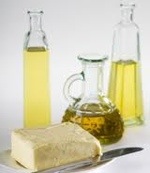
Fat – Butter & Oil
20120717-230907.jpg
Normally, the fat we cook with is olive oil. It can be heated to a very high temperature without burning, unlike butter. To increase richness, we’ll add a pat of butter towards the end.

Aromatics – Onion, Garlic, Carrot & Celery

20120717-230621.jpg
Sautéing aromatics creates a great deal of flavor since the cooking and caramelizing extract their sugars. Garlic and onion provide enough flavor for pasta sauces and sautéed greens. For more flair, depth, and sweetness, especially when making stews or tomato-based dishes, add diced carrots and celery, then sauté them slowly with the onion.

Herbs – Dried & Fresh

20120717-230327.jpg
A few well-placed jars on the spice rack can save you lots of fresh herb angst, if you hate watching extra fresh herbs go limp in the fridge. Oregano adds authenticity to tomato sauces. Thyme can increase the woody flavor of Parmesan-Herb Stuffing. On the other hand, fresh herbs taste so good on their own, it’s no wonder they make the dishes they’re in transcendent, creating brightness in a dish.There are many ways to use up fresh herbs or preserve them if you’ve bought a bunch for a particular recipe. To make fresh herbs last longer on their own in the fridge, make sure they are completely dry—wrap them in a paper or cloth towel just in case—and store them in an airtight plastic bag. If the herbs still have their roost, you can stand them upright in a glass filled with water (much like flowers), and keep it in the fridge or on a countertop.

Posted in Healthy Eating

Healthy Eating: Feeding the Stomach Bug

Kids and stomach bugs are a common combination. The key is to keep them hydrated! But sometimes when you have a fussy sick child, shoving pedialyte pops or liquids which can taste weird to a sick child and may not be as easy as it seems. Some kids are easier than others. My oldest is still the fussy sick child while my youngest will eat any medicine like candy Well, i’m sharing with you some of my tried and true tips on feeding the stomach bug. I hope you enjoy the delicious homemade pedialyte popsicle recipe too. They are grown up approved also.

20120716-144444.jpg

Stomach Bug Don’ts : Rule #1 Don’t panic! Even if your child is throwing up and having diarrhea. Dehydration is very real, but it takes some time before a child gets dehydrated. In worse case scenario, if your child is refusing any fluid, has become very weak, having projectile vomiting accompanied with high fever call your doctor or check into to the ER. These conditions however are extreme so please take appropriate action.

Make sure the family member who has the stomach bug…Avoids any kind of milk product including, cheese, yogurt, etc until symptoms of vomiting and diarrhea have passed. Dairy seems to irritate the bowel. Avoids Spicy, high fat foods like fries, chips, fast food – especially pizza. Avoid Sweet Sugary Drinks. Empty calories and sugars can aggravate a stomach bug. Avoid Caffeine like Chocolate, Sodas, etc… .

Stomach Bug Friendly Foods: If there’s no vomiting for 6- 8 hours, introduce bland, mild foods gradually. But do not force any foods — your child will tell you when he or she is hungry. Saltine crackers, toast, broths, or mild soups (some noodles are OK), mashed potatoes, rice, jello, applesauce, banana, bread are good soothing foods.

Pedilayte pops or the drink are needed to rehydrate the lost salts etc. You can continue this for safe measure until stomach bug has passed on and child is feeling chirpy again:)

Oral Rehydration Tips: For Kids 1 Year and Older (in cases of extreme vomiting and diarrhea) – Give clear liquids in small amounts ranging from 2 teaspoons to 2 tablespoons, or up to 1 ounce or 30 millilitres depending on how much your child can tolerate, every 15 minutes.

Appropriate clear liquids include: ice chips or sips of water, flavored oral electrolyte solutions, frozen oral electrolyte solution or pedialyte pops.

Here is a great recipe for homemade pedialyte which is quite yummy and will save you money.

Please note: If you are making this for an infant (0-12 months) skip the honey since it can lead to infant botulism. I personally would recommend homemade pedialyte for children above age one only.

Homemade Pedialyte and Popsicles

20120716-145151.jpg

Makes 4 Popsicles or 12 ounces of Pedialyte Solution

4 cups water
1/2 tsp baking soda
3 Tbsp sugar or honey
1/2 tsp salt

Mix everything till dissolved. Makes 12 ounces of clear pedialyte solution.

Instructions for Freezer Pops:

20120716-144835.jpg

Mix 3 ounces pedialyte with 1 ounce of clear fruit juice.

Freeze in ice cube trays with a toothpick stuck in it or in popsicle molds.

Optional:

Be creative with these Good combinations…Homemade Pedialyte solution (12 ounces) + juice (4 ounces) such as apple, white grape, clear strained baby juices are the best).

You can get fancy, by swirling some beet juice or pomegranate juice for red swirls or freezing 2 different combos of pedialyte ( see picture above). This is done by freezing the first part and then adding the top half once the mixture has frozen and refreezing it. Plain or fancy, your kids will love this. a great snack for when they have sportsy moments and games to help them re-hydrate. If using homemade pedialyte, use unsweetened kool aid to add some flavor or color if you wish.

Just a note : Making food fun for kids is time consuming but has great rewards ! Also remember the most important thing when you or your child has a stomach bug is to stay hydrated!

Posted in Budget Friendly

Budget Friendly Bits: Baked Potato Soup

under $10: Baked Potato Soup

20120713-224558.jpg

Serves 16

Total Cost: $18.78
Under $10 for 8 servings
Total per serving: $1.17

8 organic russet potatoes – $3.12
1 pound smoked, additive and preservative free bacon – $3.99
1 bunch organic scallions – $.38
8 cups local whole milk – $1.50
1 lb organic and sustainable local goat’s cheddar – $7.19
2/3 cup butter – $1
2/3 cup flour – $.10
1 lb. organic sour cream $2.50

Prep Day: Peel potatoes, dice, and boil till tender, but still a little firm. Fry bacon. Once cooled, crumble bacon. Chop scallions. Shred cheese.

Melt 2/3 cup of butter in a pan. Add 2/3 cup of flour. Whisk together over medium low heat to make a roux. Turn heat up to medium high. Gradually stir in 8 cups of whole milk, then stir in 1 pound of sour cream until it is absorbed and soup base is of a creamy consistency. Add in the shredded cheddar cheese and stir in until melted. Then put in the diced potatoes, scallions, and bacon. Cool and freeze in 2 large containers or 4 medium sized containers.

Serve Day: Thaw. Heat soup on the stove in sauce pan until through on medium heat. Add in salt and pepper to taste. Spoon into bowls and dinner is served.