Posted in Healthy Eating

Wellness Wednesdays: Freezing Your Garden, CSA, or Farmers Market Veggies

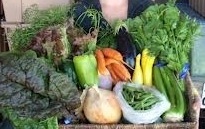
So sad to see our gardening season come to an end here in Minnesota. To preserve our vegetables from our garden, csa, or farmers market purchases they need to be blanched before freezing.

20121026-105116.jpg

Why Blanch?

Blanching fresh vegetables before storing them in the freezer preserves their color, flavor and texture. Blanching slows the enzyme action that can cause frozen vegetables to deteriorate and lose nutrients and taste. Vegetables frozen without blanching are still safe to use, but there is a significant loss of quality, particularly if they’re stored longer than a few months.

Another benefit of blanching is that it slightly shrinks the vegetables, so they take up less room in your freezer.

How To Blanch

After blanching vegetables in boiling water immerse immediately into ice cold water then drain. I often reuse the same water again and again. A large pasta type pot works great for blanching. You can submerse the vegetables into the pot already in the strainer.

Allow approximately a gallon of water for a pound of vegetables. Vegetables will need to cool for the same time as they are blanched.

Preparing Your Vegetables for Blanching
20121026-101809.jpg

Peel, trim and cut vegetables into uniform sizes. Look at the chart below to find the time needed. Extra large pieces may need to blanch a minute longer than the table calls for.

Blanching Timetable Chart for Vegetables

Asparagus: Blanch 2 minutes – 4 minutes for large asparagus

Green Beans: Blanch for 3 minutes.

Lima, Butter or Pinto Beans: – Blanch small beans 2 minutes, medium beans 3 minutes, and large beans 4 minutes.

Beets: small beets 35- 30 minute, medium ones 45 – 50 minutes. If you leave the stem on top they won’t bleed into the water as bad.

Broccoli: Blanch 3 minutes.

Brussels Sprouts: Blanch small, 3 minutes; medium, 4 minutes; large, 5 minutes

Carrots: Blanch tiny, whole, 5 minutes; diced or strips, 2 minutes

Cauliflower: Blanch 3 minutes.

Corn: Whole small ears for freezing – 7 minutes, medium ears 9 minutes and large size ears 11 minutes. If you are going to take the corn of the cob for freezing blanch for 4 minutes and remove from cob.

Okra: Blanch small pods 3 minutes and large pods 4 minutes.

Peas: Shelled. Blanch for 1-2 minutes, chill, freeze.

Snap Peas: Blanch 1 1/2minutes

Spinach and Other Greens: Blanch 2 minutes

Summer Squash: Blanch for 3 minutes.

Posted in Healthy Eating

Wellness Wednesdays: Benefits of Flaxseed & Berry Smoothies

Benefits of Flaxseed

20121025-194005.jpg

Flaxseeds are a a great source of fiber and work as a natural laxative. They are a great way to keep things regular.

Ground flaxseed has been shown to work just as well as statins in lowering cholesterol.

Flaxseeds are a good source of magnesium.

Flaxseeds contain high levels of lignans. Lignans may protect against estrogen-dependents cancers such as breast cancer.

An ounce of ground flaxseed per day was shown to regulate estrogen levels in post-menopausal women.

Flaxseeds have been shown to protect post-menopausal women from heart disease.

Flaxseed decreases insulin resistance and may protect against diabetes.

Preliminary research in mice shows that flaxseeds may prevent or slow the spread of prostate cancer.

Studies in mice show that flaxseed may prevent or slow the spread of melanoma.

As with everything, moderation is key. Too many flaxseeds may cause negative effects. Just one tablespoon per day is enough in most cases. If you are unsure how much is right for you, ask your doctor how much he or she recommends.

Resource: American Cancer Society

Basic Berry Freezer Smoothie Kit

20121025-194827.jpg

Servings: 1 adult or 2 kids.

**nutritional information is for one whole kit.

Serving size: 1 smoothie kit with 1 cup milk

Calories: 280 * Carbs: 39 * Fat: 5 * Protein: 21 * Fiber: 5

WW Points +: 7
*WW Old Points: 5

1 cup frozen mixed berries
½ cup vanilla greek yogurt
1 tablespoon flaxseed meal
1 cup milk (give or take depending how thick or thin you like it)

Note: you can add a little honey or other sweetener if you like but just keep in mind it will increase the calories.

Prep Day: Place berries, yogurt, and flaxseed meal in a small freezer bag. Label and store in freezer.

Serve Day: When ready to eat, take out, place in blender, add milk and blend. It does not get much easier than this. Enjoy!

Posted in - Seafood/Fish, Healthy Eating

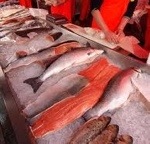
Healthy Eating: The Benefits of Eating Fish

Article from Project Life

LONDON, England (CNN) — Healthy diets almost always contain fish, a protein food with fewer calories than other meat sources. It’s also one of nature’s most versatile foods. As well as different species of fish, you can steam, bake, fry or poach fish. It’s great raw in the form of sashimi, anchovies, carpaccio and gravlax. But there have been conflicting health messages around the benefits of eating fish.

20121019-165642.jpg

Long regarded as low in fat and high in “good fats,” the health benefits have been overwhelmed by concerns about the environmental problems caused by over-fishing and health risks caused by pollutants.

But last October the Harvard School of Public Health reviewed existing studies that looked at the health effects of eating fish — and the jury’s come back in favor of… eating fish!

The Harvard study recommended eating up to two portions of fish a week and that eating fish could cut the risk of death from heart disease by a third. The evidence across different studies showed that fish consumption lowers the risk of death from heart disease by 36 per cent.

The oils in some fish appear to reduce the blood from clotting by reducing the stickiness of the blood. The most beneficial fish in this context is oily fish such as salmon or mackerel. The researchers also suggested that eating that amount of fish or fish oil intake reduces total mortality by 17 per cent.

OTHER BENEFITS

Studies have shown that fish alleviates a range of ailments.

Prostate cancer: A Swedish study of 6000 men over 30 years show that men who did not eat fish between double and trebled the risk of developing prostate cancer compared to those that did. Fish also contains selenium, thought to have cancer-fighting properties.

Depression: The omega-3 fatty acids contained in fish are believed to raise levels of the brain chemical serotonin, which aids in reducing depression. Skin: Some dermatologists say that a salmon rich diet acts like a facial — smoothing out age lines.

Inflammation: Omega 3 fatty acids, through several mechanisms, regulate your body’s inflammation cycle, which prevents and relieves painful conditions like arthritis, prostatitis and cystitis. Fish rich in Omega 3 fatty acids includes, mackerel, trout, herring, sardines, tuna and salmon.

(Reference CNN.com)

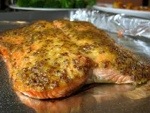
Sweet Mustard Glazed Salmon Fillets

20121019-170554.jpg

4 6 to 8 oz frozen salmont fillets
2 Tablespoons lemon juice
2 Tablespoons Dijon Mustard
2 Tablespoons brown sugar
1 tsp ground cumin
Salt and pepper to taste

Prep Day: Place the frozen salmon fillets in a 1 gallon freezer bag. Whisk together the next four ingredients and pour in a sandwich bag. Add the sandwich bag to the 1 gallon freezer bag. Label and freeze.

Serve Day: thaw the salmon and glaze. Preheat the oven to 400 degrees. Season both sides of salmon with salt and pepper. Place the salmon and glze in a 13x9x2 inch baking dish and turn the salmon to coat with the glaze. Bake until the fish flakes when forked, 10 to 15 minutes.