Posted in Healthy Eating

Healthy Eating: Apples vs. Apple Sauce

Do You Get the Same Nutritional Benefits?

20121008-001652.jpg

Apple sauce is one of the most popular snacks today. Some say it is the ultimate healthy snack but others contend the fresh apples are still the healthier choice. If you put them on a food face-off, does apple sauce stand a chance against the fresh fruit? To know the answer, learn about the nutritional benefits that you can get from each side.

Nutritional Advantages of Apples

20121008-000132.jpg

Apples are very rich in vitamin C. In fact, eating one apple is equivalent to taking about 1,500 mg of vitamin C. This can help protect the body from harmful viruses and bacteria that can cause different kinds of illnesses including coughs and colds, among many others. Apples also contain malic and tartaric acid that aid in digestion and promote proper functioning of the liver. Fiber in apples works to lower cholesterol, regulate blood flow, and get rid of toxins in the body.

These fruits are also potent sources of powerful antioxidants such as flavonoid and polyphenols. Flavonoid also helps in bone protection, increase in bone density, and prevention of osteoporosis. Aside from flavonoid, boron, which is another mineral found in apples, also work to protect bones and make them stronger.

Apples can help relieve conditions such as headaches, arthritis, bronchial asthma, tuberculosis, gonorrhea, neuritis, insomnia, catarrh, halitosis and gall bladder stones. Eating these fruits can also slow down or prevent Alzheimer’s disease, diabetes, and different forms of cancer including liver, breast, colon, and lung. On top of these all, apples can also help curb obesity.

Health Benefits of Apple Sauce

20121008-001946.jpg

Apple sauce, on the other hand, also has its share of important health benefits for the body. This sweet and nutritious snack is an excellent source of antioxidants such as catechin, phloridzin and chlorogenic acid. All of these fight free radicals in the body to protect DNA and cells from oxidative damage that can lead to cancer.

Apple sauce also contains much fiber, offering 4 grams per serving. Like apples, apple sauce is also anti-inflammatory and can help relieve problems like arthritis by reducing inflammation in the joints and blood vessels.

This snack also has anti-cancer agents. The antioxidants found in apple sauce greatly reduce risks of certain cancers such as lung cancer and liver cancer.

Freezer Applesauce Recipe:

20121008-001305.jpg

In a large pot combine over medium heat combine: 1.5 cups orange juice, 7-8 apples, peeled, cored and chopped and tons of cinnamon (at least 2-3 tbsp).

Cook and stir a few times for 15-20 minutes, or until your apples have softened. Remove from heat, allow to slightly cool then purée in a food processor. Pour into your glass jar of choice and freeze.

Which is More Nutritious?

As you can see on the nutritional information provided for both sides, both apples and apple sauce are healthy and nutritious. However, many health experts would agree that apples are indeed healthier than apple sauce. Most of the vitamin C and insoluble fiber in apples are present just beneath the peel of the fruit.

When apples are turned into apple sauce, some of these nutrients are lost in the process. Insoluble fiber is very important because it contains pectin, which is effective in reducing cholesterol levels, preventing heart diseases, and detoxifying the body.

Even though apples are more nutritious than apple sauce, this does not mean that you should skip your favorite sweet snack altogether. This only means that you should just eat fresh apples as much as apple sauce to be able to maximize the health benefits from these two foods.

Reference: article from http://www.3fatchicks.com
Posted in Healthy Eating

Healthy Eating: Spinach Nutrition Facts

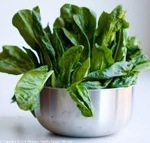
Wonderful green leafy vegetable spinach is often recognized as one of the functional food for its nutritional, antioxidants and anti-cancer constituents. Its tender, crispy, dark green leaves are favorite ingredients of chefs all around the planet.

20121001-132402.jpg

Health benefits of Spinach

Spinach is store house for many phyto-nutrients that have health promotional and disease prevention properties.

Very low in calories and fats (100 g of raw leaves provide just 23 cal). It contains good amount of soluble dietary fiber; no wonder greeny spinach is one of the vegetable source recommended in cholesterol controlling and weight reduction programs!

Fresh 100 g of spinach contains about 25% of daily intake of iron; one of the richest among green leafy vegetables. Iron is an important trace element required by the body for red blood cell production and as a co-factor for oxidation-reduction enzymes cytochrome-oxidases during the cellular metabolism.

Fresh leaves are rich source of several vital anti-oxidant vitamins like vitamin A, vitamin C; and flavonoid poly phenolic antioxidants such as lutein, zea-xanthin and beta-carotene. Together these compounds help act as protective scavengers against oxygen-derived free radicals and reactive oxygen species (ROS) that play a healing role in aging and various disease processes.
Zea-xanthin, an important dietary carotenoid, is selectively absorbed into the retinal macula lutea in the eyes where it is thought to provide antioxidant and protective light-filtering functions; thus helps protect from “age related macular disease” (ARMD), especially in the elderly.

Vitamin A is also required for maintaining healthy mucus membranes and skin and is essential for vision. Consumption of natural vegetables and fruits rich in vitamin A and flavonoids helps body protect from lung and oral cavity cancers.

100 g of Spinach provides 402% of daily vitamin-K requirements. Vitamin K plays vital role in strengthening bone mass by promoting osteotrophic (bone building) activity in the bone. It also has established role in patients with Alzheimer’s disease by limiting neuronal damage in the brain.

This greeny leafy vegetable also contain good amounts of many B-complex vitamins like vitamin- B6 (pyridoxine), thiamin (vitamin B-1), riboflavin, folates and niacin. Folates help prevent neural tube defects in the offspring.

100 g of farm fresh spinach has 47% of daily recommended levels of vitamin C. Vitamin C is a powerful antioxidant which helps body develop resistance against infectious agents and scavenge harmful oxygen free radicals.

The leaves also contain good amount of minerals like potassium, manganese, magnesium, copper and zinc. Potassium in an important component of cell and body fluids that helps controlling heart rate and blood pressure. Manganese and copper are used by the body as a co-factor for the antioxidant enzyme superoxide dismutase. Copper is required in the production of red blood cells. Zinc is a co-factor in many enzymes that regulate growth and development, sperm generation, digestion and nucleic acid synthesis.

It is also rich source of omega-3 fatty acids. Regular consumption of spinach in the diet helps prevent osteoporosis (weakness of bones), iron deficiency anemia and is believed to protect from cardiovascular diseases and colon and prostate cancers

Reference: nutritionandyou.com

Enjoy spinach in a traditional tasty way!

Spinach Lasagna Rolls

20121001-131222.jpg

Makes 9 rolls

These are great for freezing because you can choose to individually freeze them or freeze them as a finished dish ready for the oven.

9 lasagna noodles, cooked
10 oz frozen chopped spinach, thawed and completely drained
15 oz fat free ricotta cheese
1/2 cup grated Parmesan cheese
1 egg
salt and fresh pepper
32 oz tomato sauce
9 tbsp (about 3 oz) part skim mozzarella cheese, shredded

Prep Day (individually frozen) – Combine spinach, ricotta, Parmesan, egg, salt and pepper in a medium bowl. Ladle about 1 cup sauce on the bottom of a 9 x 12 baking dish. Place a piece of wax paper on the counter and lay out lasagna noodles. Make sure noodles are dry. Take 1/3 cup of ricotta mixture and spread evenly over noodle. Roll carefully and place seam side down onto the baking dish. Repeat with remaining noodles.

Individually frozen – Follow the assembly directions but instead of preparing it in a 9×13 pan, skip to assembling the rolls and then flash freeze them on a cookie sheet. Once they are mostly frozen (30 minutes to 1 hour), place them gently in a freezer bag and freeze.

Serve Day (individually frozen) – thaw. Preheat oven to 350°. Place 1 cup of tomato sauce in the bottom of a 9×13 pan (or adjust if making a smaller portion), place frozen lasagna rolls in the dish. Ladle sauce over the noodles in the baking dish and top each one with 1 tbsp mozzarella cheese. Put foil over baking dish and bake at 350 for 60 minutes (1.5x the originally listed bake time), or until cheese melts.

Prep Day (Casserole-Style) – Combine spinach, ricotta, Parmesan, egg, salt and pepper in a medium bowl. Ladle about 1 cup sauce on the bottom of a 9 x 12 baking dish.Place a piece of wax paper on the counter and lay out lasagna noodles. Make sure noodles are dry. Take 1/3 cup of ricotta mixture and spread evenly over noodle. Roll carefully and place seam side down onto the baking dish. Repeat with remaining noodles. Ladle sauce over the noodles in the baking dish and top each one with 1 tbsp mozzarella cheese. Put foil over baking dish and bake for 40 minutes, or until cheese melts.

Casserole-style freezing – Follow the assembly directions completely but do not preheat the oven. Once covered with foil, instead of baking the dish, place it in the freezer to freeze.

Serve Day (Casserole style) – Thaw in the refrigerator for 36-48 hours before serving, and follow the baking directions above. OR leave frozen and bake dish for 60 minutes (1.5x the originally listed bake time), or until cheese melts.

Servings: 9 • Serving Size: 1 roll • Old Points: 4 pts • Points+: 6 ww pts
Calories: 224.9 • Fat: 5.1 g • Fiber: 3.4 g • Protein: 13.0 g • Carbs: 31.5

Adapted from skinnytaste.com

Posted in Healthy Eating

Healthy Eating: Immunity Boosting Guacamole

One of the best ways to boost your immune system is by incorporating raw garlic and freshly squeezed limes into one’s diet. I hate cold season, so I decided to make some yummy guacamole as a dip for our snacktime. I love cutting up a variety of fresh fruits and veggies for my little ones to snack on, throughout the day. I let them pick out what they wanted, buffet style. It was a hit!

Raw garlic is anti-bacterial, anti-viral, anti-fungal, and contains healthful antioxidants. Garlic loses most, if not all, of these healing properties, when heated. Eating guacamole is one of the easiest ways to incorporate raw garlic into one’s diet.

Freezer Guacamole

20120716-173252.jpg

2 RIPE avocados
1 small onion finely chopped
1 clove of garlic minced
1 tomato, seeded and chopped (to seed, slice tomato in quarters and scoop out seeds with your fingers)
Juice of 1 lime
1 tspn of minced cilantro
salt and pepper

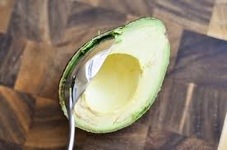
Wash your avocados. Remove the pits and set them aside to use for growing avocado plants, if desired. Scoop the avocado flesh out of it’s skin.

20120716-170656.jpg

Combine the remaining ingredients and divide evenly among the avocado halves. You do NOT have to fill the hole the pit was in. That may be too much salsa. Adjust the amount for your own personal tastes.

Put the filled avocados into freezer bags. Remove as much air as possible from the bag and seal. Label and date.

20120716-173014.jpg

Throw in the freezer. Use within 4 months.

To quick thaw, simply put the unopened bag in a bowl in your sink and run cool (not cold or warm) water over your bag until the bowl is full. Turn off the tap and leave the guacamole to sit. Every five minutes come back to check on it and squeeze the bag gently to mash the avocado and break up the frozen parts. This takes about 15 to 20 minutes.

When thawed completely, squish and squeeze the bag until the ingredients are well mixed. kids like to do this part. Empty into a bowl and serve.