Posted in Healthy Eating

Healthy Eating: Feeding the Stomach Bug

Kids and stomach bugs are a common combination. The key is to keep them hydrated! But sometimes when you have a fussy sick child, shoving pedialyte pops or liquids which can taste weird to a sick child and may not be as easy as it seems. Some kids are easier than others. My oldest is still the fussy sick child while my youngest will eat any medicine like candy Well, i’m sharing with you some of my tried and true tips on feeding the stomach bug. I hope you enjoy the delicious homemade pedialyte popsicle recipe too. They are grown up approved also.

20120716-144444.jpg

Stomach Bug Don’ts : Rule #1 Don’t panic! Even if your child is throwing up and having diarrhea. Dehydration is very real, but it takes some time before a child gets dehydrated. In worse case scenario, if your child is refusing any fluid, has become very weak, having projectile vomiting accompanied with high fever call your doctor or check into to the ER. These conditions however are extreme so please take appropriate action.

Make sure the family member who has the stomach bug…Avoids any kind of milk product including, cheese, yogurt, etc until symptoms of vomiting and diarrhea have passed. Dairy seems to irritate the bowel. Avoids Spicy, high fat foods like fries, chips, fast food – especially pizza. Avoid Sweet Sugary Drinks. Empty calories and sugars can aggravate a stomach bug. Avoid Caffeine like Chocolate, Sodas, etc… .

Stomach Bug Friendly Foods: If there’s no vomiting for 6- 8 hours, introduce bland, mild foods gradually. But do not force any foods — your child will tell you when he or she is hungry. Saltine crackers, toast, broths, or mild soups (some noodles are OK), mashed potatoes, rice, jello, applesauce, banana, bread are good soothing foods.

Pedilayte pops or the drink are needed to rehydrate the lost salts etc. You can continue this for safe measure until stomach bug has passed on and child is feeling chirpy again:)

Oral Rehydration Tips: For Kids 1 Year and Older (in cases of extreme vomiting and diarrhea) – Give clear liquids in small amounts ranging from 2 teaspoons to 2 tablespoons, or up to 1 ounce or 30 millilitres depending on how much your child can tolerate, every 15 minutes.

Appropriate clear liquids include: ice chips or sips of water, flavored oral electrolyte solutions, frozen oral electrolyte solution or pedialyte pops.

Here is a great recipe for homemade pedialyte which is quite yummy and will save you money.

Please note: If you are making this for an infant (0-12 months) skip the honey since it can lead to infant botulism. I personally would recommend homemade pedialyte for children above age one only.

Homemade Pedialyte and Popsicles

20120716-145151.jpg

Makes 4 Popsicles or 12 ounces of Pedialyte Solution

4 cups water
1/2 tsp baking soda
3 Tbsp sugar or honey
1/2 tsp salt

Mix everything till dissolved. Makes 12 ounces of clear pedialyte solution.

Instructions for Freezer Pops:

20120716-144835.jpg

Mix 3 ounces pedialyte with 1 ounce of clear fruit juice.

Freeze in ice cube trays with a toothpick stuck in it or in popsicle molds.

Optional:

Be creative with these Good combinations…Homemade Pedialyte solution (12 ounces) + juice (4 ounces) such as apple, white grape, clear strained baby juices are the best).

You can get fancy, by swirling some beet juice or pomegranate juice for red swirls or freezing 2 different combos of pedialyte ( see picture above). This is done by freezing the first part and then adding the top half once the mixture has frozen and refreezing it. Plain or fancy, your kids will love this. a great snack for when they have sportsy moments and games to help them re-hydrate. If using homemade pedialyte, use unsweetened kool aid to add some flavor or color if you wish.

Just a note : Making food fun for kids is time consuming but has great rewards ! Also remember the most important thing when you or your child has a stomach bug is to stay hydrated!
Posted in Healthy Eating

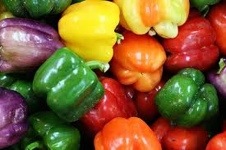
Healthy Eating: Nutritional Facts on Bell Peppers

20120716-105812.jpg

Regardless of how you feel about peppers in general and bell peppers specifically, there are plenty of reasons to introduce them to your weight loss regimen.

These peppers are more than colorful, colorful and tasty; they are also packed with nutrients that provide you with many health benefits. Keep reading to find out what it is about bell pepper nutrition facts that has the whole world falling in love.

About Bell Peppers
Bell peppers are vegetables with a shiny, waxy outer skin that come in a wide variety of colors. Although the most common bell pepper is the green bell pepper, bell peppers can be found in orange, red, yellow, purple, brown and even black.

These bright colors are part of why bell pepper nutrition facts are so compelling for dieters.

When looking at bell pepper nutrition facts one thing stands out clearly—they are packed with vitamins A and C, with significant amounts of folate and vitamin B6. These vitamins provide tremendous health benefits for both fat burning and overall good health.

Bell peppers are quite low in calories, with as few as 24 calories per medium green bell pepper and as many as 50 in a large yellow bell pepper. Unless you plan to eat bell peppers like candy, calorie count should not be an issue. What is also good about bell pepper nutrition facts is that there’s virtually no fat, no sodium or cholesterol.

Bell peppers are considered a fat burning food because with 10% fiber, your body will have to work harder to digest it. Although bell peppers do not contain a significant quantity of protein, that shouldn’t persuade you against taking advantage of the health benefits of bell peppers.

Health Benefits of Bell Peppers
The health benefits of bell peppers start with vitamins A & C, which are responsible for the antioxidant fighting beta-carotene that gives peppers their awesome hues. By fighting these antioxidants, bell peppers can reduce swelling in the arteries that lead to heart disease, diabetes and cholesterol build up.

The folate and vitamin B6 contained in bell peppers also help fight against heart disease, while the fiber in bell peppers help reduce high cholesterol and stave off strokes and heart attacks. This is important especially for those of us looking for fat burning foods, as excess fat contributes to these diseases.

Get the most of bell pepper health benefits by purchasing organic peppers and eating them as fresh as possible. Pesticides can mask the flavor in bell peppers, which may affect how you view the taste.

Bell peppers also contain 110 grams of water, another essential for fat burning success!

Now, let’s explore some anutritious way to add bell peppers to your diet to improve fat burning.

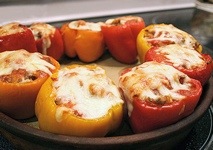
Italian Stuffed Peppers

20120714-204727.jpg

Serves 6

6 large sweet red peppers
1 1/2 cups soft bread crumbs
1 1/2 cups shredded low-fat extra-sharp cheddar cheese
3/4 cups chopped onions
3/4 cups frozen peas
3/4 cups shredded nonfat mozzarella cheese
1/3 cups and 1/4 tablespoons low-fat ricotta cheese
3 tablespoons frozen defatted chicken stock, thawed
6 cloves garlic, minced
1 1/3 tablespoons minced fresh basil
3 tablespoons grated Parmesan cheese

Prep Day: Preheat the oven to 350°F. Slice the tops off the peppers and set aside. Remove the seeds and membranes. Place the peppers, cut side up, in a 8″ x 8″ baking dish.
In a medium bowl, combine the bread crumbs, Cheddar, onions, peas, mozzarella, ricotta, stock, garlic, and basil. Mix well. Spoon into the peppers. Top with the Parmesan. Cover with the pepper tops and bake for 20 minutes, or until the peppers are soft. Remove the pepper tops and discard. Bake for 10 minutes, or until the topping is golden brown.

To Freeze: Pack the cooled cooked peppers in a single layer in a freezer-quality plastic container.

Serve Day: Thaw overnight in the refrigerator. Microwave on high power for 7 to 8 minutes, or until hot.

NUTRITIONAL FACTS PER SERVING
CALORIES 194.9 CAL
FAT 4.3 G
SATURATED FAT 2.2 G
SODIUM 448.6 MG
CARBOHYDRATES 22.8 G
TOTAL SUGARS 10.1 G
DIETARY FIBER 5.1 G
PROTEIN 17.5 G

Remember to be creative in your recipes to reap the most health benefits from bell peppers.

References:
*eatingwell.com
*Bell Pepper Nutrition Facts – Unusual Health Benefits of Bell Peppers article BY ROB POULOS

Posted in Healthy Eating

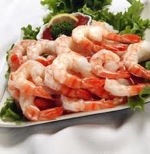
Healthy Eating: Top Ten Reasons to Eat Shrimp

20120716-111942.jpg

Do your eyes and tastebuds rejoice, but your conscience feel guilty everytime you’re eating shrimps because you’re worried about their cholesterol content? Shrimps, the most delicious seafood are considered perfectly healthy to eat for people with normal cholesterol levels. Shrimps are low in calories and saturated fat, and although they are also high in cholesterol, scientists found that it did not increase the overall cholesterol levels of the study participants. It did show to slightly elevate the LDL or bad cholesterol but it also spiked their HDL, the good cholesterol.

If you’re concerned about cholesterol, steam or grill your shrimps and benefit from its many other health-promoting effects that out way the bad.

1. Helps fight cancer
Every 85 g (8oz) of steamed shrimps can provide the body with 48% of the DV of selenium. Lack of selenium in the body has been linked to the incidence of many types of cancer, including prostate. Researchers at the Institute of Food Research (IFR) revealed that a combination of sulforaphane and selenium makes them 13 times more potent in attacking cancer. Sulforaphane-rich foods include broccoli, cabbage and other cruciferous veggies.

2. Keeps skin, hair and nails healthy
The most expensive shampoo and lotion will be useless to hair and skin without the adequate supply of protein in the body. Protein is a vital part of every living tissue and shrimps are excellent sources of this mineral

3. Helps prevent anemia
Shrimps are rich in vitamin B12, a nutrient which supports the production of red blood cells and help prevent pernicious anemia.

4. Boosts energy
Fatigue and weakness may indicate low levels of iron in the body. Iron is an essential nutrient needed for energy and vitality and shrimps are rich with this mineral.

5. Helps build strong bones
These crustaceans are loaded with phosphorus. Calcium and phosphorus are the two chief nutrients which work closely together to build strong bones and teeth.

6. Helps process fats
Niacin (vitamin B3) helps process fats, carbohydrates and protein and turns it into energy. Shrimps can provide a good amount of this essential vitamin.

7. Helps fight depression
Just like fish, shrimps can also supply omega-3 fatty acids. Study participants have shown that omega-3’s offer powerful protection against depression and may help improve mood to those who are already suffering from the disorder.

8. Helps promote prostate health
Preliminary studies have shown that zinc slow down prostate cancer cell growth. Eating shrimps will add to the body’s needed daily value of this mineral which is only 10-15 mg.

9. Keeps thyroid healthy
Shrimps can contribute to thyroid health through its supply of copper.

10. Helps stabilize blood sugar levels
These scrumptious seafoods are also good sources of magnesium, which studies suggest can help prevent the development of type 2 diabetes

Enjoy this nice and quick shrimp recipe…

Paprika Garlic Shrimp and Green Bean Sauté

20120712-151602.jpg

1 – 12 oz. Frozen green beans, in steamer bag (4 cups)
3 tablespoons extra-virgin olive oil
1/4 cup minced garlic
2 teaspoons paprika
1 pound raw shrimp, (21-25ct. come in a pound), peeled and deveined
2 – 16 oz. cans large butter beans, or cannellini beans, rinsed
1/4 cup sherry vinegar, or red-wine vinegar
1/2 teaspoon salt
1/2 cup parsley, chopped – optional
Freshly ground pepper, to taste – optional

Prep Day: Grab a 2 gallon freezer bag. Label it. Place green beans and shrimp in 2 gallon bag. Place paprika and garlic in snack bag. Don’t forget to put it in the 2 gallon bag. Freeze. Grab a gallon storage bag for the pantry and label. Fill a small container of olive oil. Fill another small container with salt and vinegar. Place both containers in the gallon storage bag along with the 2 cans of beans. Place in pantry.

Serve Day: Thaw garlic paprika mixture in fridge overnight. Thaw shrimp under cold water day of cooking. Chop parsley. Rinse canned beans. Steam green beans as directed, but make sure they stay tender crisp. Steaming will take 4-6 minutes about. Meanwhile, heat oil in a large skillet over medium-high heat. Add garlic and paprika and cook, stirring constantly, until just fragrant but not browned, about 20 seconds. Add shrimp and cook until pink and opaque, about 2 minutes per side. Stir in beans, vinegar and salt; cook, stirring occasionally, until heated through, about 2 minutes. Stir in 1/4 cup parsley. Divide the green beans among 6 plates. Top with the shrimp mixture. Sprinkle with pepper and the remaining 1/4 cup parsley. Serve with quinoa or brown rice.

Nutrition Per serving : 245 Calories; 8 g Fat; 1 g Sat; 6 g Mono; 115 mg Cholesterol; 26 g Carbohydrates; 23 g Protein; 8 g Fiber; 596 mg Sodium; 855 mg Potassium

2 Carbohydrate Serving

Exchanges: 1 starch, 1 vegetable, 3 very lean meat, 1 fat

References:
*USDA
*healthmad.com