Posted in Healthy Eating

Healthy Eating: Stock Your Freezer for Health

How to Stock You Freezer for Health

There are many places you can turn when you’re feeling lazy or are too busy to cook a fresh meal, but instead of reaching for that take-out menu to turn to your freezer. My biggest temptation is Buster’s on 28th and Bill’s Garden Chinese directly down the street from my home. I cannot whip up something as quickly as I can order from them. Their food is awesome, but is substantially more expensive than anything I could make and I’m sure you can guess which is healthier too.

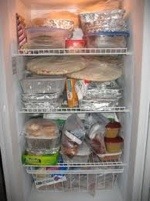
Your freezer is an invaluable resource for storing foods that are best made in large batches. Frozen fruits and veggies from the grocery store can also come in handy when you are in a pinch. Below is my personal list of freezer essentials, but please add your own in the comments and tell us how you use them:
20120708-221305.jpg

Frozen Rice: An essential item in every freezer should be giant bag of frozen brown rice balls packaged for serving. Whole grains take quite a while to cook, but if you make a lot and freeze them you only need to cook grains occasionally. In addition to rice, you can also freeze other grains like barley and steel cut oatmeal.

Cooked Legumes: Legumes are some of the healthiest food you can eat, and are among the best sources of protein on the planet. The only problem is they can take a long time to cook. You can make beans in large batches in the pressure cooker, freeze the rest in tupperware containers and thaw at your leisure.

Frozen Fruit: I always have a few bags of frozen organic blueberries for the days I run out of fresh fruit for my cereal. They thaw pretty fast, sometimes I put them in the microwave for 30 seconds and are pretty tasty. They are great in oatmeal and pancakes as well.

Walnuts: I keep my walnuts in the freezer to prevent the unstable omega-3 fatty acids from going rancid. Other nuts likely store well in the freezer too but tend to be more stable at room temperature than walnuts, which are particularly high in omega-3s.

Soups: Soup is not my family’s favorite, but there are a few we love. If you have ever browsed through our menus you will see lots of great soups, try one. A freezer filled with your favorite creations that can be eaten on busy days is a life saver.

Bread – Don’t fill it regular sliced grocery store bread that is full of preservatives, dough conditioners and other bizarre ingredients that belong in the lab. Instead, I like to make my own 5 minutes a day artisan bread, cut it up into single servings and freeze it in gallon freezer bags. You will be shocked at how nicely frozen bread reheats in an oven set to 325F. Also you can take it out a day early and thaw it in the fridge.

Meat: Most of you already know that meat stores well in the freezer, but you can also store scraps and bones to make your own stock. Conveniently, you can also freeze your homemade stock.

Sauces: During the summertime our local markets are practically giving away basil. It is such a wonderful herb, I cannot help making big batches of pesto all season. Leftover sauces can be frozen and taken out in winter when your favorite flavors are harder to find.

Spices: I love when I am able to grind my own spices, but like many things it is easier to do it in large batches. Extra spices store well in sealed containers in the freezer.

Your freezer is a great resource and I encourage you to be creative. It can make healthy eating much easier by giving you quick access to healthy foods, and also spares you from boring cooking when you cook in large batches.

Before I sign off I would love to share with you my favorite bread recipe.

100 Percent Whole-Wheat Sandwich Bread

20120708-220915.jpg

Whole wheat flour has a nutty, slightly bitter flavor, and it caramelizes easily, yielding a rich, brown loaf. Milk and honey are tenderizers, and their sweetness complements the bitter notes. Although we’ve showcased a loaf-pan method here, this dough also makes lovely free-form loaves on a baking stone.

Makes 3 1 1⁄2 pound loaves

1 1⁄2 tbsp granulated yeast (1 1⁄2 packets)
1 tbsp plus 1 tsp salt
1/2 cup honey
5 tbsp neutral-flavored oil, plus more for greasing the pan
1 1⁄2 cups lukewarm milk
1 1⁄2 cups lukewarm water
6 2⁄3 cups whole wheat flour

Mix the yeast, salt, honey, oil, milk and water in a 5-quart bowl or other container.

Mix in the flour using a spoon, high-capacity food processor with dough attachment, or a heavy-duty stand mixer with dough hook.

Cover loosely, and allow to rest at room temperature until the dough rises and collapses (or flattens on top); about 2 to 3 hours.

The dough can be used immediately after the initial rise, though it is easier to handle when cold. Refrigerate in a lidded (not airtight) container and use over the next several days.

On baking day, lightly grease a 9-by-4-by-3-inch loaf pan. Using wet hands, scoop out a 11⁄2 pound (cantaloupe-sized) hunk of dough. Keeping your hands wet (it’ll be sticky!), quickly shape it into a ball.

Drop the loaf into the prepared pan. You’ll want enough dough to fill the pan slightly more than half-full.

Allow the dough to rest for 1 hour and 40 minutes. Flour the top of the loaf and slash, using the tip of a serrated bread knife.

5 minutes before baking time, preheat the oven to 350 degrees, with an empty broiler tray on another shelf.

Place the loaf in the center of the oven. Pour 1 cup of hot water into the broiler tray and quickly close the door. Bake for 50 to 60 minutes, or until deeply browned and firm.

Allow to cool completely before slicing in order to cut reasonable sandwich slices and freeze if you want.

How else can your freezer help you eat healthy?
Posted in Healthy Eating

Healthy Eating: Benefits of Simmering Tomato Sauce

WHAT ARE THE BENEFITS OF SIMMERING TOMATO SAUCES?
By Claire Plum

20120707-230709.jpg

It is no secret that tomatoes provide key nutrients, and a wide variety of health benefits.

Publications like the Nutrition Guideline for Older Adults from the Department of Foods and Nutrition at the University of Georgia specifically highlight the importance of including red fruits and vegetables in a healthy diet. But recent research shows that the health benefits of tomatoes increase by more than 50 percent by simmering them. According to NutraIngredients, a study conducted by Cornell University, found that the antioxidant properties of tomatoes are boosted by cooking because the cooking process breaks down the tomato’s structure and releases lycopene and other phytochemicals essential to health. By releasing these chemical components from the tomato structure, they are easier for the human body to process.

HEART HEALTH
According to the Daily Mail, a well-known British Newspaper, a recent study discovered that consuming 2 ounces of tomato paste per day or drinking a pint of tomato juice from cooked tomato products had the same effect on cholesterol and blood pressure as statins. Statins are one of the most prescribed drugs given for blood pressure and cholesterol control. A study conducted by the American Health Foundation also found that eating cooked tomato products is linked with a lower risk of coronary heart disease.

CANCER
A study conducted by the University of Portsmouth concluded that the lycopene released by cooking tomato products is effective at slowing and limiting cancer growth. The lycopene intercepts cancer’s connection to blood flow. This slowly starves the cancer, preventing it from multiplying as quickly and slowing mass growth. A study by Harvard University further noted that lycopene builds up in the prostate, and that cooked tomato consumption significantly reduces a patient’s risk of developing prostate cancer. Finally, a study by the American Health Foundation reported that cooked tomatoes lower the risk of developing cancer and increase the body’s ability to fight a wide variety of ,including breast, prostate and colon malignancies.

ALZHEIMER’S AND DEMENTIA
According to the University of California-San Diego, regular intake of resveratrol-rich foods, including cooked tomatoes, can prevent brain aging and memory loss. This could be a major breakthrough and a very manageable dietary change for those with a family history or are at risk of developing Alzheimer’s or other forms of dementia caused by the again brain.

OTHER HEALTH BENEFITS
The same study at the University of California-San Diego noted that resveratrol released by tomatoes during the cooking process, can prevent diabetes. Similarly, Dr. Leo Galland of The Huffington Post, noted that bioflavonoids released from cooked tomatoes are a powerful anti-inflammatory and limits the severity of allergic reactions. This decreases asthmatic episodes and may limit the development of chronic lung disease.

References:
*Experimental Biology and Medicine/Society for Experimental Biology and Medicine: Lycopene and tomato products in health promotion
*UC San Diego Health Systems: Novel Approaches to Treating Alzheimer’s Disease Include Early Intervention
*Huffington Post: The Health Benefits of Tomatoes
*Harvard Medical School: Tomatoes and Prostate Cancer
*The Telegraph: Cancer ‘Slowed by Cooked Tomatoes’
*Daily Mail Health: Cooked tomatoes ‘as good as statins’ for battling cholesterol
*Nutra Ingredients: Cooking tomatoes boosts health benefits

Healthy Tomato Sauce

20120707-231320.jpg

Makes 16 ounces

2 tablespoons olive oil
1/2 medium red onion, minced
4 cloves garlic, minced
14 ounces (1 can) diced tomatoes in juice
3 tablespoons dry red wine
1/2 teaspoon dried oregano, crumbled
1/2 teaspoon dried basil, crumbled
Coarse salt, to taste

Prep Day: In a medium skillet, heat oil over medium heat. Add onion and garlic; cook, stirring frequently, until softened, about 7 minutes. Stir in tomatoes and juice, wine, oregano, and basil. Simmer 8 minutes or until lightly thickened. Season with salt to taste. Cool and freeze in a air tight container.

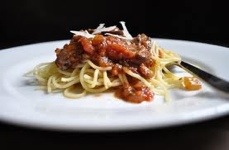
Serve Day: Thaw. Reheat in sauce pan until heated through. This sauce tastes great over pasta, fish, or grilled chicken.

Posted in - Seafood/Fish, Healthy Eating

Healthy Eating: 10 Best Foods for Your Heart

20120706-155717.jpg

From breakfast to dinner and the snacks in between, you’re entire day can be heart healthy! A good for you diet doesn’t have to be bland or boring. Here are some foods that will leave you satisfied.

Oatmeal: Start your day with a steaming bowl of oats, which are full of omega 3 fatty acids, folate, and potassium. This fiber rich superfood can lower levels of LDL or bad cholesterol and help keep arteries clear. Opt for coarse or steel cut oats over instant varieties, which contain more fiber, and top your bowl off with a banana for another 4 grams of fiber.

Salmon: Super rich in omega 3 fatty acids, salmon can effectively reduce blood pressure and keep clotting at bay. Aim for two servings per week, which may reduce your risk of dying of a heart attack by up to one third. Salmon contains the carotenoid astaxanthin, which is a very powerful antioxidant. But be sure to choose wild salmon over farm-raised fish, which can be packed with insecticides, pesticides, and heavy metals. Not a fan of salmon? Other oily fish like mackerel, tuna, herring, and sardines will give your heart the same boost.

Avocado: Add a bit of avocado to a sandwich or spinach salad to up the amount of heart-healthy fats in your diet. Packed with monounsaturated fat, avocados can help lower LDL levels while raising the amount of HDL cholesterol in your body. They allow for the absorption of other carotenoids, especially beta carotene and lycopene, which are essential for heart health.

Olive oil: Full of monounsaturated fats, olive oil lowers bad LDL cholesterol and reduces your risk of developing heart disease. Results from the Seven Countries Study, which looked at cardiovascular disease incidences across the globe, showed that while men in Crete had a predisposition for high cholesterol levels, relatively few died of heart disease because their diet focused on heart healthy fats found in olive oil. Look for extra virgin or virgin varieties, they’re the least processed, and use them instead of butter when cooking.

Nuts: Walnuts are full of omega 3 fatty acids and, along with almonds and macadamia nuts, are loaded with mono and polyunsaturated fat. Plus, nuts increase fiber in the diet. And like olive oil, they are a great source of healthy fat.

Berries: Blueberries, raspberries, strawberries, whatever berry you like best are full of anti inflammatories, which reduce your risk of heart disease and cancer.

Legumes: Fill up on fiber with lentils, chickpeas, and black and kidney beans. They’re packed with omega 3 fatty acids, calcium, and soluble fiber.

Spinach: Spinach can help keep your ticker in top shape thanks to its stores of lutein, folate, potassium, and fiber. But upping your servings of any veggies is sure to give your heart a boost. The Physicians’ Health Study examined more than 15,000 men without heart disease for a period of 12 years. Those who ate at least two and a half servings of vegetables each day cut their risk of heart disease by about 25%, compared with those who didn’t eat the veggies. Each additional serving reduced risk by another 17%.

Flaxseed: Full of fiber and omega-3 and omega 6 fatty acids, a little sprinkling of flaxseed can go a long way for your heart. Top a bowl of oatmeal or whole grain cereal with a smidgen of ground flaxseed for the ultimate heart healthy breakfast.

Soy: Soy may lower cholesterol, and since it is low in saturated fat, it’s still a great source of lean protein in a heart healthy diet. Look for natural sources of soy, like edamame, tempeh, or organic silken tofu. And soy milk is a great addition to a bowl of oatmeal or whole grain cereal. But watch the amount of salt in your soy: some processed varieties like soy dogs can contain added sodium, which boosts blood pressure.

Enjoy this heart healthy recipe…

Salmon, Broccoli, and Sweet Potatoes in Parchment

20120706-160046.jpg

This dish takes some time to prepare, but cooking it is a snap. Steaming the food in parchment is a great way to retain a food’s nutrients. The heart-healthy Omega-3 fatty acids in the salmon, calcium and iron in the broccoli, and fiber and antioxidants in the sweet potatoes.

Makes 8 servings

Prep time: 45 minutes
Cooking time: 10 minutes

2 pound frozen skinless salmon fillet, cut into 8 pieces
1/2 teaspoon salt
1/4 teaspoon freshly ground pepper
4 cans (14 1/2 oz. each) reduced-sodium chicken broth
2 pound frozen sweet potatoes rounds or match sticks
4 cups broccoli florets, frozen
6 tablespoons chopped fresh parsley
6 tablespoons chopped fresh cilantro
4 teaspoons grated lemon peel
1 teaspoon dried thyme
2 large garlic clove, pressed

Prep Day: Sprinkle salmon on both sides with salt and pepper. Set aside. Fold 4 sheets of parchment paper in half and then in half again. Starting at the folded edge, cut each paper into a half-heart shape. Unfold so that you end up with 8 paper hearts. Lightly brush both sides of the paper with olive oil. Place 1/4 of the vegetables on half of one paper heart. Place a salmon fillet on top of vegetables. Combine the parsley, cilantro, lemon peel, thyme, and garlic in a cup, then sprinkle 1/4 of this mixture over the salmon and vegetables. Fold the top of the heart over the fish and vegetables, then crimp and fold the edges to tightly seal. Repeat with remaining parchment paper, vegetables, salmon, and herbs so you end up with 8 packages. Place in freezer bags and freeze flat.

Serve Day: Thaw. Heat oven to 425°F. Place on a baking sheet lightly coated with nonstick cooking spray. Bake 10 minutes or until the paper is puffy and browned. Carefully cut open each package with the tip of a sharp knife, releasing the steam. Transfer contents to a plate and eat.

Per serving: 335 calories, 12.5g total fat, 2.5g saturated fat, 67mg cholesterol, 654mg sodium, 24g carbohydrates, 29g protein, 76mg calcium, 4g fiber

Reference:
***health.com***