Posted in - Poultry, Healthy Eating

Wellness Wednesdays: The Rodale Whole Foods Cookbook

The Rodale Whole Foods Cookbook
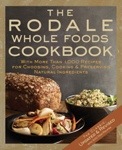
20130423-214042.jpg

Farmer’s markets, groceries, and natural foods stores today offer a wealth of wholesome ingredients that even a decade ago were considered unfamiliar and exotic. From quinoa to spelt flour to agave nectar and shiitake mushrooms, natural whole foods like these have come into their own as the cornerstone of a healthy, varied diet. Packed with information for purchasing, storing, and serving the full spectrum of whole foods, The Rodale Whole Foods Cookbook is a comprehensive kitchen resource for contemporary cooks.

Based on the classic work with over 100,000 copies sold, this exhaustively revised edition contains nearly 1,400 recipes—more than one-third of them brand new—and updated guidelines for making the most of fresh meats, produce, and pantry essentials, soup to nuts. Here’s all you need to know to make spectacular soups, stews, salads, baked goods, and more, using whole foods. You’ll find dozens of casseroles (many of which can be made ahead and frozen for no-fuss weeknight meals), quick-and-easy sautés, plenty of meatless main courses, and crowd-pleasing favorites for casual get togethers. Best of all, these recipes are naturally healthful, showcasing the versatility of wholesome whole grains, natural sweeteners, seasonal fruits and vegetables, and other fresh, unprocessed foods in all their delicious variety.

Also included are valuable primers on such essential kitchen topics as making stock; putting up jams and preserves; baking yeast breads; choosing cookware; sprouting seeds; making yogurt; and canning vegetables with helpful charts and glossaries on herbs and spices, cheeses, sea vegetables, seasonal produce, roasting meat and fowl, freezing foods safely, and more.

A trusted, timeless classic thoroughly updated for the way we cook today, The Rodale Whole Foods Cookbook is sure to become an indispensable resource for health-conscious cooks.

Sweet and Tangy Turkey Breast

20130423-215323.jpg

Adapted from The Rodale Whole Foods Cookbook

Serves 6

1/3 cup lemon juice
1/3 cup honey
2 tablespoons brown mustard
1 bone-in turkey breast (5 1/2 pounds)

Prep Day: In a measuring cup, whisk together the lemon juice, honey, and mustard. Cut the turkey breast in half. Remove the breast meat, with skin on, in one piece, from each half. (Also remove the small chunks of turkey on the underside.) Place the breast halves and chunks of turkey in a freezer bag and pour the marinade over them. Freeze.

Serve Day: Thaw. Preheat the broiler. Pour the marinade off the turkey into a small saucepan and simmer over medium heat for 5 minutes. Set aside.

Place the turkey skin-side down on a broiler pan and broil 6 inches from the heat for 10 minutes. Turn over and cook for 5 more minutes. Lower the pan a notch and broil for 5 minutes longer, or until the turkey is cooked through. If not done, turn over and cook for 5 more minutes. (It does not matter if the skin burns.)

Rewarm the marinade. Remove any burned skin from the turkey. Slice the turkey across the grain into thin slices. Serve with the marinade for spooning over it.

Posted in Healthy Eating

Wellness Wednesdays: Announcing Our New Future

20130422-230712.jpg

My husband is contemplating changing career paths and pursuing sustainable agriculture! This makes me happy as I transition to eating more cleanly and my family really begins to participate in the slow food movement with me. This blog will continue for now being open to using all sorts of products on the market. I don’t want to alienate my followers. I respect all people’s food choices.

Two weeks ago we went to a Farm Dreams Workshop the the Land Stewardship Project here in Minnesota.

20130422-230936.jpg

Farm Dreams is an entry level, four-hour, exploratory workshop designed to help people who are seeking practical, common sense information on whether sustainable farming is the next step for them. This is a great workshop to attend if you are in the exploratory stages of getting started farming. Farm Dreams is a great prerequisite for the Farm Beginnings course (in our future).

In this workshop, we…

*Assessed our resources, skills and motivations for farming.
*Developed an educational plan toward farming.
*Learned about regional training opportunities and support networks.
*Prioritized our next steps in moving closer toward their farming goals.

20130422-234545.jpg

We are urban farmers so to speak. We have a large organic backyard garden and cage free chickens for eggs, but entering the sustainable agriculture world as an occupation is so much more. We left our workshop with a hunger for more information and experience!

20130423-001512.jpg

20130423-001953.jpg

What’s next for pursuing our farm dream

Year One
*Getting our hands dirty by getting more on the farm experience.

*Finish up personal and extended family projects.

*Go on farm field trips and meet more farmers in our stage of life.

*Sacrifice some vacation time and do some farm stays.

*READ, READ, READ (Right now I’m reading…Start & Running Your Own Small Farm Business by Sarah Beth Aubrey and The Organic Farming Manuel by Ann Larkin Hansen) and for my husband LISTEN, LISTEN, LISTEN since he is not a reader really.

Year Two
*The Farm Beginnings course which is a 10 month training course that provides opportunities for beginning and transitioning farmers to learn firsthand about values clarification and goal setting, whole farm planning, strategic farm planning, and low-cost, sustainable farming methods. The course provides hands-on learning opportunities in the form of classroom sessions, farm tours, field days, workshops and accessing an extensive farmer network. In this training course, participants join a community and learn from some of the most innovative and skilled farmers operating in the Midwest. Develop lifelong friendships and networks with other beginning farmers. Learn critical farm management skills such as creative financing and innovative marketing strategies. Access an extensive network of farmers through the Farmer Network. We will see sustainable farming practices being used on real farms under a variety of conditions.

*Get our Minneapolis home ready to sell.

This new path in life will likely take 3 to 5 years for us so please pray for us to persevere and stay focused.

Went to LeAnn Chin’s a month ago and my husbands fortune read, “Your secret desire to completely change your life will manifest.” It’s funny cause he just had confessed to me his dream of wanting to be an organic farmer in the past week.

Before I sign off I want to share my life verse for this new adventure…”And let us not grow weary of doing good, for in due season we will reap, if we do not give up.” Galatians 6:9

This is very exciting time for us, I can hardly stand it! PLEASE stay tuned!

Posted in Healthy Eating, Tips and Tricks

Wellnesdays: How To Store Fruits And Vegetables

How To Store Fruits And Vegetables

20130415-111613.jpg

The main way to lengthen shelf life is by using cold temperatures to slow food’s respiration, or ‘breathing’ process. In general, the warmer the temperature, the faster the rate of respiration, which is why refrigeration is critical for most produce. But while you want to slow it down, you don’t want to stop the breathing altogether. The worst thing to do is seal fruits and vegetables in an airtight bag. You’ll suffocate them and speed up decay.

Some fruits emit ethylene, an odorless, colorless gas that speeds ripening and can lead to the premature decay of nearby ethylene-sensitive vegetables. For example if you put spinach or kale in the same bin as peaches or apples, and the greens will turn yellow and limp in just a couple of days. So the first trick is to separate produce that emits ethylene from produce that’s sensitive to it.

DO NOT REFRIGERATE:

Never refrigerate potatoes, onions, winter squash or garlic. Keep them in a cool, dark, dry cabinet, and they can last up to a month or more. But separate them so their flavors and smells don’t migrate.

REFRIGERATE THESE GAS RELEASERS:

Apples
Apricots
Canteloupe
Figs
Honeydew

DON’T REFRIGERATE THESE GAS RELEASERS:

Avocados
Bananas, unripe
Nectarines
Peaches
Pears
Plums
Tomatoes

KEEP THESE AWAY FROM ALL GAS RELEASERS:
Bananas, ripe
Broccoli
Brussels sprouts
Cabbage
Carrots
Cauliflower
Cucumbers
Eggplant
Lettuce and other leafy greens
Parsley
Peas
Peppers
Squash
Sweet potatoes
Watermelon

There are also some innovations to help extend the life of your fruits and veggies. Some products actually absorb ethylene and can be dropped into a crisper, such as the E.G.G. (for ethylene gas guardian), which is shaped like, you guessed it, an egg, and ExtraLife, a hockey puck-like disk. A variety of produce bags and containers are also on the market, such as those by FridgeSmart Tupperware and BioFresh, which both absorb ethylene and create an atmosphere that inhibits respiration.

At least as important as how you store produce is when you buy it. Do all your other shopping first so that your berries and broccoli don’t get warm—and respire rapidly—while you’re picking up nonperishable items. Get the produce home and into the fridge as soon as possible. If you’ll be making several stops between the market and kitchen, put a cooler in the car. Shop farmers’ markets soon after they open: Just-harvested greens wilt rapidly once they’ve been in the sun for a few hours.

Even under optimal conditions, fragile raspberries will never last as long as thick-skinned oranges. Eat more perishable items first. And if you still find yourself with a bushel of ripe produce—and a business trip around the bend—improvise. Make a fruit pie, a potful of soup or a great big vat of tomato sauce, and throw it in the freezer. You’ll relish your foresight when you get home.

Fastest to Slowest Spoilers: What to Eat First

20130415-113218.jpg

You can enjoy fresh fruits and vegetables with just a single weekly trip to the supermarket, with proper storage and a little planning. The key is eating the more perishable produce early on. Appearance and smell is the best clues to whether fruits and veggies are fresh to begin with.

EAT FIRST: Sunday to Tuesday

Artichokes
Asparagus
Avocados
Bananas
Basil
Broccoli
Cherries
Corn
Dill
Green beans
Mushrooms
Mustard greens
Strawberries
Watercress

EAT NEXT: Wednesday to Friday

Arugula
Cucumbers
Eggplant
Grapes
Lettuce
Lime
Mesclun
Pineapple
Zucchini

EAT LAST: Weekend

Apricots
Bell peppers
Blueberries
Brussels sprouts
Cauliflower
Grapefruit
Leeks
Lemons
Mint
Oranges
Oregano
Parsley
Peaches
Pears
Plums
Spinach
Tomatoes
Watermelon

AND BEYOND:

Apples
Beets
Cabbage
Carrots
Celery
Garlic
Onions
Potatoes
Winter squash