The Health Benefits of Tofu: Is it Nutritious Enough to Replace Meat?
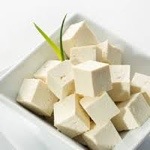
The health benefits of tofu as a meat substitute are numerous. Consuming tofu regularly helps lower bad cholesterol, alleviates symptoms associated with menopause and even lowers the risk of cancer. Other major health benefits of tofu compared to meat include making middle-aged bones stronger and delaying the ravages of age. Tofu has been found to be a great source of calcium and vitamin E as well. Tofu or soybean curd is produced by grinding soybeans to form a milk-like substance, which is then compressed and left to coagulate. After the mass has dried into a gelatinous solid, it is cut into palm-sized cubes. Since soybean is cheap and abundant, but rich in protein, the popularly known benefit of tofu is that of being the “poor man’s protein.”
Tofu as Vegan Substitute for Meat
There is a common misconception that vegetarians do not get as much protein as meat lovers do. Although vegetables are mainly composed of carbohydrates, some vegetables, in fact, have all of the essential amino acids that your body requires.
The only difference between tofu and meat protein is that you have to eat more tofu to meet the recommended dietary protein levels. In fact, every 100 g of tofu yields approximately 17.19 g of protein. To get the protein benefit of 150 g of lean meat, you should consume 290 g of tofu.
Studies show that regularly eating that much tofu provides an equivalent amount of energy, protein, total fat, carbohydrates, alcohol and fiber. However, the main health benefits of tofu will show up in significantly lower total cholesterol, triglycerides and low-density lipoprotein (bad cholesterol) for you if you eat tofu regularly instead of meat.
Comparing 4 oz. servings, tofu provides 9 percent of your daily fat requirement, 3/4 lower than pork. Hence, the primary health benefit of tofu is to lower your risk of atherosclerosis, hypertension and cardiovascular diseases.
However, you might think that, unlike meat, tofu absorbs liquids (such as cooking oil) easily – in fact, up to 15 percent of the cooking oil used can be absorbed. To maximize the benefit of tofu as a lower-fat replacement for meat, however, you only have to be creative with recipes that do not require oil.
Other Health Benefits of Tofu
Isoflavones are compounds found in soy products, and they are known to exert direct and indirect antioxidant effects. Isoflavones can directly scavenge free radicals, thereby preventing premature aging. These beneficial compounds also prevent the effects of free radicals indirectly by suppressing phagocyte radical production.
Studies suggest that high intake of soy-based products also prevents breast cancer, osteoporosis and cardiovascular diseases. These conditions are due to lifelong exposure to the estrogen in your body. For some reason, the phytoestrogens found in soy products, such as genistein and daidzein, neutralize the action of human estrogen. These isoflavones are also known to decrease bone loss in the lumbar spine during the perimenopause and postmenopause stages. In addition, other studies suggest that isoflavones can increase bone mineral density in female spines.
Resource : Fitday.com
Vegan Singapore Street Noodles
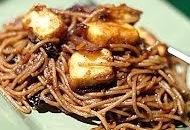
Adapted from onceamonthmom.com
Serves 4
16 ounces rice noodles, uncooked (or sub in angel hair noodles)
4 tablespoons oil
16 ounces tofu
1 tablespoons garlic, minced
1 cups cabbage, sliced thin
1/2 cup carrot, julienned
2 cups tomatoes, cut into chunks
1 cups scallion, cut into 2 inch lengths (green parts only)
1/4 cup cilantro, chopped
1 teaspoons dark sesame oil
1 lime, cut into fourths
1 tablespoons vinegar
2 tablespoons Madras curry powder
1 pinch turmeric
2 tablespoons light soy sauce
1/2 cup vegetarian oyster or fish sauce
2 tablespoons Sriracha sauce
2 tablespoons ketchup
Prep Day: Boil rice stick noodles for 2 minutes or until just soft. Rinse under hot water and drain. Toss noodles with oil and keep warm. To prepare sauce, mix vinegar with curry powder and turmeric until blended. Add soy sauce, oyster sauce, Sriracha, and ketchup, mixing well. Set sauce aside until needed. Fry cubed tofu with oil until cooked through. Add garlic, cabbage, tomatoes and carrots and cook for one minute more. Stir in sauce mixture until everything is evenly coated. Cook for 1-2 minutes more or until dish is heated through. Toss noodles with chopped scallions, cilantro and sesame oil. Divide cooked noodles mixture among 4 freezer quart size bags and freeze. Packaged for individual servings.
Serve Day: Thaw. Reheat in microwave for 1 minute.


 Northerly Nosh