Healthy Helpings by Ellie Krieger
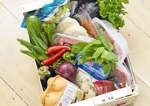
Shop Once Have Veggies All Week
Even if you can only make it to the grocery store once a week, you can still have fresh produce at your fingertips every day. Just follow these simple guidelines for buying, storing and cooking to get the most out of your weekly shop.
*Shop at the Right Time: Find out which days your store has its produce delivered and try to shop on one of those days. The less time it sits on the market shelf the more time it can spend on yours.
Buy Hearty: Be sure to buy longer life vegetables like beets, carrots, cabbage, turnips, and mature onions. They last the longest in the refrigerator and clock up a shelf life of about 1-2 weeks.
*Prioritize: Eat food like fresh corn or peas at the beginning of the week. If you leave them lingering in your fridge for too long then the sugar turns to starch making them lose their signature sweetness. Next, eat up tender veggies like lettuces.
*Prep Later: Don’t wash or cut the produce until just before you are ready to use them. When you cut something, you’re disturbing the vegetable’s natural protective packaging and exposing it to the elements that make it go bad and lose nutrients.
The Dish on Fish
Fish lovers have reason to celebrate because not only is fish delicious, but research has found that people who eat fish are generally healthier than those that don’t, especially when it comes to heart health. Fish is a lean protein, and it’s loaded with essential vitamins and minerals like zinc, magnesium, and iron that all help with heart health. And it’s a rich source of omega 3s, essential “good” fats in fish, which help protect your heart and reduce inflammation.
While a lot of confusing information about contaminants in fish has surfaced recently, the ultimate message is that for most people the benefits of eating fish far outweigh any down sides, especially if you follow these simple guidelines:
*Eat fish at least twice a week. Overwhelming research shows that eating fish just two times a week can lower your risk of many health conditions like heart disease.
*Include rich sources of omega-3s which come from fatty fish like salmon, trout, and herring. If you can’t get the fresh version, don’t worry; canned, pouched, or frozen fish will protect your heart as well.
*Remove the skin and trim the fat of the fish before cooking to limit your exposure to environmental toxins.
*Avoid king mackerel, swordfish, tilefish, and shark because they have the highest levels of mercury.
*Choose fish like sole, wild salmon, halibut, tilapia, cod, and black cod.
Spice It Up
Spices add more than just a punch of flavor to a dish-they may also provide you with a whole spectrum of health benefits. Spices like turmeric, ginger, coriander, cumin, and fennel contain health protective compounds called phytonutrients that may help to prevent certain cancers. Cinnamon has been found to help control blood sugar and improve insulin resistance in people with diabetes. Paprika may help raise your “good” cholesterol and some spices, like ginger, coriander, and cumin, may promote healthy digestion.
When it comes to buying spices, keep these rules in mind:
*Buy your spices from a busy shop – it will have more turnover and the spices will be fresher.
*Think small. Don’t be tempted to buy big containers full of spice even if they’re a great value. You might think you are getting a bargain, but spices will lose their flavor in 6-12 months. So unless you plan to use the spice very frequently, choose small.
*Simplify your life and buy spice mixes. Sometimes it’s really worth it. Some favorites include: 5 spice powder, which you can add to Asian dishes; Garam Masala, which is used in Indian cooking; and chili powder, a Southwest staple.
Smart Diner Dining
Who doesn’t love eating at a diner? There is no better place to get a down-home satisfying meal. When you are trying to eat healthy, a diner can be a challenge, but armed with a few simple rules you can have your blue-plate special and be healthy too:
*Swap the Sides. Nowadays everything comes with a side order of fries, so ask for sliced tomato, a green salad or fruit instead.
*Ask for the sauce on the side so you are in control of how much you eat.
*Just eat half of your meal and take the other half home. There’s not a diner I know that isn’t open to doggie bags.
*No one needs a piece of cake the size of a phone book, and often desserts are so huge they’ve got about the same amount of calories as a whole meal. My simplest solution is to skip it and have a sane-sized dessert at home. But, if you do go for dessert, share it with the table.
*Take a look at the daily specials. They are usually seasonal, fresh foods, which makes them nutritionally rich.
*Choose menu items that are grilled, baked, or sautéed.
*Avoid or limit fried foods.
*Get creative and make some of your diner favorites at in your very own kitchen. They will be tastier and better for you!
Mood Food
Feeling stressed? Sleepy? What you eat could help you feel better. Food’s not the only answer to improving your mood, but getting the right balance of carbohydrate and protein in your meals could help you stay on even keel.
The Serotonin Effect: Serotonin is a brain chemical that provides a feeling of calm, well-being and relaxation. It is also what can make you feel drowsy after a meal. More seratonin is produced by the body when you eat a high carbohydrate meal, an effect that’s blocked by protein. So?
If You Feel Stressed: Eating a healthy high-carbohydrate snack like a piece of fruit and some whole grain crackers or a small bowl of pasta with tomato sauce for your meal could increase your serotonin and possibly calm you down.
If You Feel Sluggish: A low-carbohydrate, high protein snack of some nuts or a meal with chicken or fish and a vegetable but no starch could help perk you up by minimizing serotonin. When you want to stay alert just think: protein and vegetables.
Undercover Produce
If you are looking for a miracle food, look no further than the produce aisle. Fruits and vegetables supply us with a wealth of vital nutrients, fiber and powerful health protecting antioxidants, all for very few calories. But most people don’t get nearly enough. One way to boost your produce quotient without even realizing it is to sneak fruits and vegetables into dishes. Here are 3 ways to do it deliciously:
Stir pureed winter squash or pumpkin into soups and casseroles, like macaroni and cheese. It adds body, flavor and nutrition.
Add finely grated carrot to meatballs, or meatloaf. If will help maintain moisture and add flavor and texture.
Add mashed banana, pureed pumpkin, or applesauce to muffin or pancake batter. They add moisture and sweetness, enabling you to use less fat and sugar.
Party On Hand
Everyone dreads being caught off guard with nothing to serve when people drop by. But a well stocked freezer and pantry will ensure that you always have fun, healthy, party food at the ready without much prep to do. Here are a few must-haves.
From the Freezer:
Spanakopita- individual spinach-phyllo pies- just defrost and bake. They are high in fat, but it’s healthy fat.
Extra large shrimp- just thaw under the tap, boil for 4 minutes and serve with cocktail sauce for a deliciously luxurious lean protein.
Edamame in the shell- these young soy beans are traditionally eaten as a bar food in Japan. Just boil for 4 minutes, drain, sprinkle with seas salt and serve. Don’t forget the dish for the discarded shells.
Mini ravioli- just boil them up and serve with jarred tomato sauce or pesto for dipping.
Asian dumplings- steam or boil and serve with soy dipping sauce.
From the Cupboard:
Canned dolmades (stuffed grape leaves)- a Greek treat stuffed with rice.
Jars of roasted red peppers and olives- the start of a lovely anti-pasta plate.
Mixed nuts- simple, classic, satisfying and healthy.
Jarred pesto- spread on some crackers or slices of crusty bread.
Crisp breads and crackers- crunchy, healthy and versatile.
Balanced Meals
A balanced life starts with a balanced diet. And the foundation of a balanced diet is a balanced meal. But ask 10 people what a balanced meal is and you will probably get 10 different answers. Some experts describe it as specific percentages of fat protein and carbohydrate. Our grandmas might say it is a meat a starch and two vegetables. Here are three basic rules for perfectly balanced meals. A balanced meal:
Contains at least two-three food groups, including a vegetable or fruit and a protein. A grain (preferably whole grain) is recommended, but optional. Don?t forget the protein doesn?t have to be meat. It can be fish, beans, nuts, egg, or dairy too.
Is moderate in added sugar and saturated fat. Sorry, even though it has fruit and dairy, a banana split does not count as a balanced meal. A little sugar and saturated fat is fine, but too much throws it off balance.
Is sensibly portioned. Balance is not just what you eat, it’s how much. Eat appropriate portions to leave the table satisfied but not stuffed.
The Low Down on Sugar
There is nothing wrong with a little sugar once in a while. After all, it makes food taste delicious. What would a bowl of oatmeal be without a swirl of brown sugar? The problem is most people go so far overboard with sweeteners that they are drowning in their sugar bowls. The average American eats the equivalent of 20 teaspoons (40 grams) of added sugar a day. That’s twice the recommended amount.
Keep in mind I am not talking about the sugar that’s naturally occurring in foods like fruit and milk products- even vegetables contain some sugar. That is not the problem. I am talking about refined sugar that is added to foods and beverages to sweeten them up. When you consider one 12 ounce can of soda has the equivalent of 10 teaspoons of sugar, the amount that should be your daily limit, you can see how quickly the numbers can add up. Try these simple steps to keep your sweet tooth in balance:
Switch to sugar free, calorie free drinks like water. For a splash of flavor add lemon or orange slices, or try a sparkling water with a little fruit juice.
Buy unsweetened cereals and yogurts and add your own sugar for flavor. Chances are you will use much less than the food manufacturers do.
Go ahead, have dessert. Just keep portions small and keep it to a few times a week.
Read food labels. Grams of sugar are listed on the food label, but the label doesn’t distinguish between naturally occurring sugars and added sugar. So even 1 cup of plain milk will show 12 grams. Better yet, read the ingredient list and look for added sugar in all its guises. Fructose, cane sugar, corn syrup and maltodextrin are all added sugars.
Opt for honey, maple syrup and molasses. They still count as added sugar, but at least these less refined sweeteners give you some minerals and antioxidants.
The Best Start to Your Day
If you skip breakfast because you are trying to save calories or you think you just don’t have time, here’s your wake-up call. Breakfast eaters tend to be leaner and more successful at maintaining a healthy weight than people who miss their morning meal. Besides, studies show breakfast skippers make up for the calories by eating more later in the day. Not only can breakfast help you stay lean, it gives you the energy you need to jump-start your day and get your brain working at its peak.
The perfect breakfast contains a whole grain, a source of protein (like egg, dairy, nuts or lean meat) and a fruit or vegetable. So a simple, fast bowl of whole grain cereal with low-fat milk and fruit fits the bill perfectly. If you don’t think you have time for even that, here are some breakfast options you can eat as you are running out the door.
A whole grain cereal bar, an apple and a skim latte.
A whole wheat English muffin with peanut butter and a juicy peach.
A smoothie made with strawberries, milk, vanilla yogurt and a sprinkle of wheat germ. Make it the night before then just wake, shake and pour into a to-go cup.
A hard boiled egg, some whole grain crackers and a tangerine.
Half a turkey sandwich with lettuce and tomato.
Eating for Energy
Not only what you eat, but when you eat can have a profound effect on your energy level. Follow these simple rules to keep yourself energized all day long.
Eat regular meals and snacks: The golden rule for high energy eating is to keep your blood sugar (aka glucose) steady by never to going more than 4 to 5 hours without eating. Glucose is the brain’s main fuel. When it dips you get that foggy tired feeling. Prevent that and stay energized by giving your brain and your body a steady flow of food.
Include some protein in each meal: Lean meat, fish, beans, egg, low-fat dairy and nuts all count as protein. So get that pasta dish with some chicken and shrimp in it, or add some beans and nuts to your lunch salad.
Avoid large meals: No one knows exactly why, but large fatty meals make you feel tired. Keeping meals light helps keep you energized. So put down your fork when you reach a 5 or 6 on a scale of one to ten. (1 = starving and 10 = “Thanksgiving full”).
Stay well hydrated: Fatigue is one of the first signs of dehydration, so make sure you drink enough. On average women need 9 cups of fluid a day and men need 13. But everyone is different. How do you know you’re dinking enough? Your thirst is actually a pretty accurate guide. So here’s some down-home advice: if you are thirsty, drink.
Handy Dandy Portion Guide
There’s a portion guide that is always with you, easy to use, and isn’t embarrassing to pull out at restaurants. It’s your hand! Simply looking at your hand can help you determine the right amount to eat. For example:
Your palm = about 3 ounces of cooked meat or fish
Your fist = about 1 cup of cooked rice or pasta, cut vegetables or fruit
Your thumb = about 1 tablespoon of peanut butter, or 1 ounce of cheese
The tip of your thumb = about 1 teaspoon of oil or butter
Three fingers = about 1 ounce of chocolate
A handful = about 1 ounce of nuts
As a point of reference, most people should aim to get 5-6 ounces of meat or fish, 2 ½ cups of fruit and vegetables, 3-4 cups of grains, 3 servings of dairy and 6-8 teaspoons of oil each day.

Miso Glazed Cod
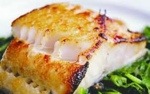
Serves 6
6 (6-ounce) black cod fillets, or regular cod fillets
1/3 cup low-sodium blond or white miso
1/4 cup dark brown sugar
1 teaspoon toasted sesame oil
2 tablespoons mirin (Japanese cooking wine)
Toasted sesame seeds and scallions, for garnish, optional
Prep Day: Place cod in gallon freezer bag. In a quart size freezer bag combine miso, brown sugar, sesame oil and mirin and stir well until brown sugar is fully dissolved. Then put sauce bag in cod bag zip close and freeze for later use.
Serve Day: Thaw everything. Preheat broiler. Rinse fish fillets and pat dry with paper towels. Brush about 2 tablespoons miso glaze on each fish fillet. Marinate for at least 30 minutes, or up to 1 hour.
Place fish under broiler for 3 to 4 minutes, or until top is slightly charred and glaze has caramelized.
Remove fish from oven and brush with remaining glaze. Lower oven to 375 degrees F. Cook an additional 5 to 6 minutes, until fish is flaky but not overcooked.
If desired, serve with toasted sesame seeds and scallions.









 Northerly Nosh