Tips and Tricks Tuesdays: Saving Your Dollars – Brown Sugar
Brown Sugar
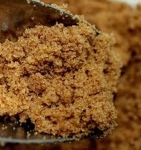
To ensure that it keeps well over time, brown sugar may be frozen. When you want to thaw it, the process is simple, but you have to pay close attention to what the sugar is doing as it thaws. You can choose the slow method or the quick method of thawing your brown sugar. The slow method is preferable. But if you have a baking emergency and need brown sugar right away, the quick method may come in handy.
Slow Method: Remove the brown sugar from the freezer. If you stored it in a container with solid sides, you won’t need a bowl. If you froze it in the bag in which it was sold, place the bag in a bowl. Do not attempt to remove the sugar from the bag. Let the brown sugar rest undisturbed on a counter, at room temperature, for 30 minutes. Begin breaking up the sugar with a spoon. If it’s still too hard, wait another 30 minutes and try again. Stir the brown sugar as it thaws. If the brown sugar has been in the freezer for a long time, it may have developed ice crystals. Stirring the brown sugar as it thaws helps to distribute the moisture evenly so the sugar doesn’t clump.
Quick Method: Preheat your oven to 250 degrees. Place your frozen container or bag of brown sugar on a counter near the oven. Spread the brown sugar out on a sheet pan. You may have to wait until the oven has finished preheating before the brown sugar will have thawed enough to do this. Don’t worry if the sugar is chunky or clumpy, or even if it’s in a single big lump. Place the sheet pan in the oven once it has preheated. Set the timer for 5 minutes. Try to break up the sugar chunks with your spoon when 5 minutes have elapsed. Set the timer for another 5 minutes. Continue baking the brown sugar at 250 degrees, checking it every 5 minutes, and stirring and breaking up the sugar as it thaws. Remove the brown sugar from the sheet pan once it has thawed completely. Use immediately or allow to cool so you can store it in the pantry. Do not refreeze.
Brown Sugar Cookies
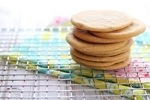
Makes about 3 dozen
2 1/2 cups all purpose flour
1/2 tsp baking powder
1/2 tsp baking soda
3/4 tsp salt
1 cup butter
1 1/2 cups brown sugar (any kind)
2 large eggs
2 tsp vanilla extract
3 tbsp sugar, for topping
Preheat oven to 350F. Line a baking sheet with parchment paper.
In a medium bowl, whisk together flour, baking powder, baking soda and salt.
In a large bowl, cream together butter and brown sugar until light and fluffy. Beat in eggs, one at a time, followed by vanilla extract. Gradually blend in the flour mixture until dough comes together and no streaks of dry ingredients remain.
Place sugar in a small bowl. Shape dough into 1-inch balls and roll in sugar before placing on baking sheet. Allow about 2-inches between cookies to allow for spread.
Bake for 11-14 minutes, until cookies are set and very lightly browned around the edges.
Allow cookies to cool on baking sheet for 3-4 minutes, then transfer to a wire rack to cool completely. Store in an airtight container.
In Honor of New Years: Freezer Gougères
Dreading the appetizer prep for your next party? Why not plan ahead for your next gathering and stock up your freezer? These apps make it easy to pull together a stellar spread in a hurry without skimping on the homemade touches.
Gougères

If you’ve never had them before, gougères are fluffy French cheese puffs made with a savory version of the dough used to make cream puffs and eclairs. I had never thought about making them until I saw a recipe and its persuasive accompanying photo in Dorie Greenspan’s book Around My French Table, which mentions gougères pair well with Champagne. A glass of sparkling wine and a warm gougère — what could be more chic?
Makes about 36 gougères
1/2 cup whole milk
1/2 cup water
8 tablespoons (1 stick) unsalted butter, cut into 4 pieces
1/2 teaspoon salt
1 cup all-purpose flour
5 large eggs, at room temperature
1 1/2 cups (about 6oz.) coarsely grated cheese, such as Gruyère or cheddar
Prep Day: Bring the milk, water, butter, and salt to a rapid boil in a heavy-bottomed medium saucepan over high heat. Add the flour all at once, lower the heat to medium-low, and immediately start stirring energetically with a wooden spoon or heavy whisk. The dough will come together and a light crust will form on the bottom of the pan. Keep stirring—with vigor—for another minute or two to dry the dough. The dough should now be very smooth.
Turn the dough into the bowl of a mixer fitted with the paddle attachment or into a bowl that you can use for mixing with a hand mixer or a wooden spoon and elbow grease. Let the dough sit for a minute, then add the eggs one by one and beat, beat, beat until the dough is thick and shiny. Make sure that each egg is completely incorporated before you add the next, and don’t be concerned if the dough separates—by the time the last egg goes in, the dough will come together again. Beat in the grated cheese. Once the dough is made, it should be spooned out immediately.
Using about 1 tablespoon of dough for each gougère , drop the dough from a spoon onto the lined baking sheets, leaving about 2 inches of puff space between the mounds. Using about 1 tablespoon of dough for each gougère, drop the dough from a spoon onto the lined baking sheets, leaving about 2 inches of puff space between the mounds.
The best way to store gougères is to shape the dough, freeze the mounds on a baking sheet, and then, when they’re solid, lift them off the sheet and pack them airtight in plastic bags.
Serving Day: Position the racks to divide the oven into thirds and preheat the oven to 425 degrees F. Line two baking sheets with silicone baking mats or parchment paper. Bake them straight from the freezer—no need to defrost—just give them a minute or two more in the oven.
Bake for 12 minutes, then rotate the pans from front to back and top to bottom. Continue baking until the gougères are golden, firm, and, yes, puffed, another 15 to 20 minutes or so. Serve warm, or transfer the pans to racks to cool.
Gougères are good straight from the oven and at room temperature. I like them both ways, but I think you can appreciate them best when they’re still warm. Serve with kir, white wine, or Champagne.

