Posted in Tips and Tricks

Tips and Tricks: What Freezes Well and What Does Not

Learning what you can freeze and can’t freeze is one of the hardest lessons for beginning freezer cooks. There’s nothing more upsetting than spending your time and money to make a big batch of something for the freezer just to throw it away when it turns out bad. But certain items simply can’t freeze and are bound to give you bad results.

When we freeze food the moisture in the cells expands. In foods with lots of moisture and delicate structures, like a fresh crisp spinach leaf or strawberry, the cells burst when the moisture expands and they are kinda limp when defrosted.

Learn what you can freeze and can’t and you’re on your way to saving tons of time and money in the kitchen while getting healthy homemade meals on the table. That’s what freezer cooking is about.
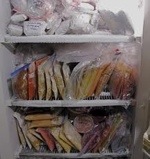
20120706-003604.jpg

Foods That Can Be Frozen

Meat, poultry and fish all can be frozen with success. Raw meat is preferable for long storage because it doesn’t dry out or get freezer burn as fast as cooked meat.

Breads and baked goods can freeze and do well in the freezer. This includes cakes, pies, muffins, bagels, quick and yeast breads both as dough/batter or baked, cookies raw or baked and pizza crusts raw or baked.

Butter and margarine freeze great.

Beans freeze well and can save you a ton of money if you buy dry beans then soak and cook them yourself instead of buying the canned variety.

Rice can also freeze and cooking it ahead can save a ton of time.
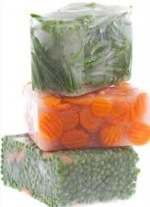
20120801-102412.jpg

Foods That Can Freeze But Will Change In Texture

Most foods fall into this category.

Fruits and vegetables all soften and those with high water content do not freeze well. Fruit that still has ice crystals can be eaten as is after thawing but most fruits and veggies should be used for cooking after being frozen. Fruits and veggies do need some prep work as well.

Potatoes freeze great and make quick side dishes, however they must be cooked before freezing to insure they don’t turn black.

Pastas will become much soften after they are frozen and should only be cooked about three quarters of the recommended time. Also pastas frozen in liquid or sauce will absorb much of the sauce.

Milk and dairy products can be frozen but may separate after being frozen. Cheese will become crumbly and hard to slice but is fine for cooking or melting.

Herbs lose their texture but retain their flavor. Frozen herbs can be used for cooked dishes but not for garnishes.

Raw eggs removed from their shells can be frozen but are mixed with a bit of salt or sugar to keep them from turning rubbery.

Cooked eggs that are scrambled or used in a recipe freeze well. Boiled eggs don’t do as well because the whites get rubbery.

Fried foods lose their crispness but do OK when reheated in the oven.

Salty fatty items, such as bacon, sausage, ham, hot dogs, some lunch meats and some fish do not last long in the freezer. The USDA only recommends freezing these items for 1-2 months. The salt causes fat to go rancid in the freezer. Many people freeze these items longer so use your best judgment. If it looks or smells off toss it!

20120801-103846.jpg

Foods That Can’t Freeze

Cornstarch looses it’s thickening power. Use a rue made of butter and flour (or rice flour if you’re gluten free) instead.

Gelatin weeps, or loses water.

Vegetables such as lettuces, celery, radishes and cucumbers become a watery mess.

Melons get very soft and lose much of their juice. They can still be used for smoothies but generally are not frozen.

Meringue toppings become tough and rubbery.

Custards and cream puddings can separate.

Mayonnaise tends to separate.

Crumb toppings for things like casseroles or desserts can become soggy.

Egg white based icing or frosting can become frothy or weep.
Posted in Healthy Eating

Healthy Eating: Benefits of Simmering Tomato Sauce

WHAT ARE THE BENEFITS OF SIMMERING TOMATO SAUCES?
By Claire Plum

20120707-230709.jpg

It is no secret that tomatoes provide key nutrients, and a wide variety of health benefits.

Publications like the Nutrition Guideline for Older Adults from the Department of Foods and Nutrition at the University of Georgia specifically highlight the importance of including red fruits and vegetables in a healthy diet. But recent research shows that the health benefits of tomatoes increase by more than 50 percent by simmering them. According to NutraIngredients, a study conducted by Cornell University, found that the antioxidant properties of tomatoes are boosted by cooking because the cooking process breaks down the tomato’s structure and releases lycopene and other phytochemicals essential to health. By releasing these chemical components from the tomato structure, they are easier for the human body to process.

HEART HEALTH
According to the Daily Mail, a well-known British Newspaper, a recent study discovered that consuming 2 ounces of tomato paste per day or drinking a pint of tomato juice from cooked tomato products had the same effect on cholesterol and blood pressure as statins. Statins are one of the most prescribed drugs given for blood pressure and cholesterol control. A study conducted by the American Health Foundation also found that eating cooked tomato products is linked with a lower risk of coronary heart disease.

CANCER
A study conducted by the University of Portsmouth concluded that the lycopene released by cooking tomato products is effective at slowing and limiting cancer growth. The lycopene intercepts cancer’s connection to blood flow. This slowly starves the cancer, preventing it from multiplying as quickly and slowing mass growth. A study by Harvard University further noted that lycopene builds up in the prostate, and that cooked tomato consumption significantly reduces a patient’s risk of developing prostate cancer. Finally, a study by the American Health Foundation reported that cooked tomatoes lower the risk of developing cancer and increase the body’s ability to fight a wide variety of ,including breast, prostate and colon malignancies.

ALZHEIMER’S AND DEMENTIA
According to the University of California-San Diego, regular intake of resveratrol-rich foods, including cooked tomatoes, can prevent brain aging and memory loss. This could be a major breakthrough and a very manageable dietary change for those with a family history or are at risk of developing Alzheimer’s or other forms of dementia caused by the again brain.

OTHER HEALTH BENEFITS
The same study at the University of California-San Diego noted that resveratrol released by tomatoes during the cooking process, can prevent diabetes. Similarly, Dr. Leo Galland of The Huffington Post, noted that bioflavonoids released from cooked tomatoes are a powerful anti-inflammatory and limits the severity of allergic reactions. This decreases asthmatic episodes and may limit the development of chronic lung disease.

References:
*Experimental Biology and Medicine/Society for Experimental Biology and Medicine: Lycopene and tomato products in health promotion
*UC San Diego Health Systems: Novel Approaches to Treating Alzheimer’s Disease Include Early Intervention
*Huffington Post: The Health Benefits of Tomatoes
*Harvard Medical School: Tomatoes and Prostate Cancer
*The Telegraph: Cancer ‘Slowed by Cooked Tomatoes’
*Daily Mail Health: Cooked tomatoes ‘as good as statins’ for battling cholesterol
*Nutra Ingredients: Cooking tomatoes boosts health benefits

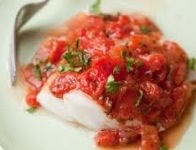
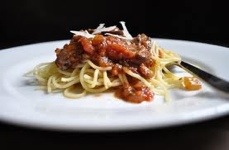
Healthy Tomato Sauce

20120707-231320.jpg

Makes 16 ounces

2 tablespoons olive oil
1/2 medium red onion, minced
4 cloves garlic, minced
14 ounces (1 can) diced tomatoes in juice
3 tablespoons dry red wine
1/2 teaspoon dried oregano, crumbled
1/2 teaspoon dried basil, crumbled
Coarse salt, to taste

Prep Day: In a medium skillet, heat oil over medium heat. Add onion and garlic; cook, stirring frequently, until softened, about 7 minutes. Stir in tomatoes and juice, wine, oregano, and basil. Simmer 8 minutes or until lightly thickened. Season with salt to taste. Cool and freeze in a air tight container.

Serve Day: Thaw. Reheat in sauce pan until heated through. This sauce tastes great over pasta, fish, or grilled chicken.

Posted in Budget Friendly

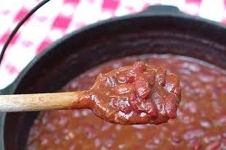
Budget Friendly Bits: Sweet and Spicy BBQ Beans

Under $5: Sweet and Spicy Barbecued Beans

20120707-194342.jpg

Adapted from Cooking Light JULY 2000

6 servings (serving size: about 3/4 cup)

Cost per serving: $.80
Total Cost: $4.78

2 teaspoons olive oil – $.23
1 cup chopped onion – $.65
4 garlic cloves, minced – $.32
8 cups chopped kale (about 3/4 pound) – $1.34
1/2 cup water – free
1/2 cup hickory barbecue sauce – $.45
2 tablespoons Dijon mustard – $.08
1 tablespoon cider vinegar – $.03
1 teaspoon hot sauce – $.10
2 (16-ounce) cans kidney beans, rinsed and drained – $1.98

Prep Day: Heat oil in a large nonstick skillet over medium heat. Add onion and garlic; sauté 5 minutes or until onion is tender. Stir in remaining ingredients; spoon into a 2-quart casserole.

Freezing instructions: After spooning into casserole dish, cover and freeze for up to 3 months.

Serve Day: Thaw in refrigerator; bake as directed. Preheat oven to 350°F. Bake for 45 minutes or until thoroughly heated.