Posted in Healthy Eating

Healthy Eating: Fill Your Freezer for Health

Healthy Ways To Use Your Freezer

20120711-230507.jpg

By Jenny Sugar (fitsugar.com)

Open most people’s freezers and you’re likely to see a pint of ice cream and TV dinners. While these foods may be freezer staples, they’re not helping you on your quest to lose weight. But, when used right, the freezer is the perfect weight-loss tool for you.

Presoaked Beans
Whether you’re into black, kidney, or pinto beans, these little gems are packed with low-fat protein, so they’re a great alternative to meat or dairy products. Their high fiber content is also extremely filling, and a full belly will prevent overeating.

If you’re freaked about the BPA found in the lining of most canned beans, a safe (and cheaper) alternative is to soak and boil dried beans. They need to be soaked overnight though, so if you forget, then it’ll be tough to make your famous bean burritos.

Since presoaked beans won’t last long in the fridge, ensure you always have beans for dinner by soaking a big batch one night. In the morning, drain and thoroughly rinse the beans. Measure out two-cup serving sizes of presoaked beans and store them in glass containers. Or if you prefer using bags, place the beans on a cookie sheet in the freezer, and after an hour, transfer the beans to freezer bags.

When you’re ready to make dinner, grab the beans and boil them in water for 45 to 60 minutes and they’re ready to go.

Fruit Puree
I learned this trick while making baby food for my daughter. Instead of buying fruit-flavored yogurt, which can contain extra calories from added sugar, buy plain yogurt and flavor it yourself.

Puree a batch of fresh or frozen fruit in the food processor or blender, and pour spoonfuls into baby food containers or ice cube trays. You can save room in your freezer by popping frozen fruit puree cubes into a freezer bag. Then when it’s time to eat, just take out a cube and stir it into your bowl of plain yogurt.

Store Leftovers
The next time you bake an enormous spinach lasagna, vegetarian shepherd’s pie, kale casserole, or big batch of bean soup, instead of storing leftovers in the fridge, where they often go bad, save them in the freezer. Divvy up appropriate portion sizes into reusable containers, so the next time you need a quick, healthy meal, it’s ready to go.

If you remember in the morning, you can transfer the containers to the fridge and allow them to thaw all day, or if they’re in glass containers, just pop them in the microwave. It sure beats ordering high-calorie takeout!

Smoothie Ingredients
Smoothies may be a quick breakfast to slurp down, but they certainly can take a great deal of prep, especially if you use fruit you need to peel like mangoes, oranges, or kiwis. Prepping ahead of time means you can whip up a smoothie in just a few minutes.

Wash, peel, and dice fruit and store the smoothie ingredients you’d use for one smoothie in bags in the freezer. My favorite is one sliced banana, one cup of blueberries (can use frozen), six sliced strawberries, half a cup of sliced mango, and a handful of spinach. Cutting the fruit in small chunks is recommended to ensure they puree well.

Pour the frozen fruit in your blender or food processor and add yogurt, milk, peanut butter, or whatever other ingredients you choose, and your smoothie will be ready in no time.

Pizza Dough
Homemade pizza tends to be much healthier than a pie you’d have delivered from the local pizzeria because you can use whole-wheat crust, not a ton of cheese, and lots of fresh veggies.

Either keep premade whole-wheat pizza crusts in the freezer, or you can buy dough (or make your own) and store wrapped balls of dough in the freezer. You just need to remember to thaw it in the fridge a few hours before dinner so it’s ready to roll.

Frozen Treats
Instead of opening the fridge just to have a pint of high-calorie ice cream staring back at you, stock your freezer with healthier frozen treats. Frozen sorbet bars are a great option, but you can also freeze your own desserts such as these peanut butter smudgies or fruit and yogurt popsicles.

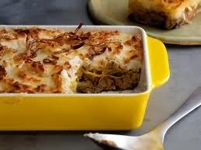
A very yummy recipe for you try…Vegetarian Shepherd’s Pie
20120711-233950.jpg

Potatoes (8 white or sweet or a mix of both, each about the size of a lemon)
1 32 oz. container of Veggie broth
2 peppers (I prefer 1 red and 1 orange)
1 zucchini
3 stalks of celery
6 mushrooms
4 big carrots
1 can of beans (I prefer black or kidney)
Salt and pepper to taste
2 cups of shredded cheddar cheese (optional)
2-3 tbsp butter (optional)
1 clove of garlic, minced

Prep Day: Place a big pot of water on the stove on High heat. While the water is heating to a boil, peel the potatoes (unless you love mashed potatoes with the skins). Then dice them up and place them in the pot of boiling water. Now get another pot, pour the broth in and place it on the stove on Medium heat.

While that’s warming up, cut up all the veggies and place them in the broth. Feel free to add other kinds of veggies if you want. Strain and rinse the canned beans and add them to the broth too. Mix everything up and allow to cook uncovered.

Check on the potatoes, and when they’re soft, strain out the water in a colander, and return them back into their original pot. Using a fork or a masher, while they’re still steaming hot, mash the potatoes until creamy. If you’re using regular potatoes, you can add garlic and butter for a smoother texture. If you’re using sweet potatoes, they don’t really need any butter (they’re creamy enough). Add salt and pepper to taste.

Set the mashed potatoes aside, and turn on the oven to 350°F. Now check on the veggies cooking in the broth. You want to cook them for only about 10 minutes or so, so they’re still slightly firm.
Now take a rectangular glass casserole dish, and using a slotted spoon place all the veggies in the dish. Now pour some of the leftover liquid over them, enough so that the veggies are covered, not swimming. You can save the leftover broth (if there is any) in a container in the freezer for a later recipe.

Now carefully scoop the mashed potatoes over the veggies, smoothing them out with the back of a spoon in a nice even layer. If you like cheese, go ahead and sprinkle it on top. I did half and half so you can see what it looks like. Wrap with plastic wrap and foil. Label and freeze.

Serve Day: Thaw. Bake at 400 degrees for 20-30 minutes or until topping is brown and meat is heated through. To heat from the frozen stage, add 10-15 minutes more baking time. You’ll know it’s ready when either the cheese is melted and bubbly, or the potatoes are slightly hard on top. Allow to cool for 10 minutes before serving. If you have any leftovers, place them in plastic containers in the fridge.

Posted in - Poultry, Healthy Eating

Healthy Eating: Diabetic Friendly Freezer Recipe

When you have diabetes it’s important to eat right and having healthy homemade choices in the freezer makes it easy to make those healthy choices.

Turkey Vegetable Bake

20120711-224505.jpg

Make 6 servings

2 cups sliced fresh mushrooms
3/4 cup chopped red or yellow sweet pepper
1/2 cup chopped onion
2 cloves garlic, minced
2 tablespoons butter or margarine
1/4 cup all-purpose flour
3/4 teaspoon salt
1/2 teaspoon dried thyme, crushed
1/4 teaspoon black pepper
2 cups fat-free milk
1 10 ounce package frozen chopped spinach, thawed and well drained
2 cups cooked brown rice
2 cups chopped cooked turkey or chicken
1/2 cup finely shredded Parmesan cheese (2 ounces)

Prep Day: In a 12-inch skillet cook and stir mushrooms, sweet pepper, onion, and garlic in hot butter over medium heat until tender. Stir in flour, salt, thyme, and black pepper. Slowly stir in milk; cook and stir until thickened and bubbly. Stir in spinach, rice, turkey, and 1/4 cup of the Parmesan cheese. Spoon mixture into a 2-quart rectangular baking dish. Sprinkle with remaining Parmesan cheese. Cover baking dish with plastic wrap and then foil. Label and freeze for up to 3 months.

Serve Day: Thaw in the refrigerator for 1 to 2 days or until completely thawed. Bake, covered, in a 350 degree oven for 30 – 40 minutes. Uncover and bake about 10 minutes more or until heated through. Let stand 15 minutes before serving.

Nutrition Facts Per Serving:
Servings Per Recipe: 6
Calories: 297
Protein(gm): 24
Carbohydrate(gm): 28
Fat, total(gm): 10
Cholesterol(mg): 53
Saturated fat(gm): 5
Dietary Fiber, total(gm): 3
Vitamin A(IU): 8017
Vitamin C(mg): 35
Sodium(mg): 602
Calcium(DV %): 263
Iron(DV %): 2
Diabetic Exchanges
Milk(d.e): 1
Vegetables(d.e): 1
Starch(d.e): 1
Lean Meat(d.e): 2
Fat(d.e): 1

Posted in Healthy Eating

Healthy Eating: Butternut Squash A Power Food

Benefits to Butternut Squash

20120711-184551.jpg

No offense to zucchini, but the health benefits of fall-harvest squashes far eclipse their summer cousins.

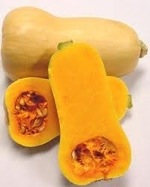
Like all members of the gourd family (which includes pumpkin, melon, and cucumber), butternut squash is technically a fruit because it contains seeds. Cut into its pale, yellow-beige hard skin, though, and you’ll discover a vibrant flesh that’s much denser than that of its relatives.

Rich in phytonutrients and antioxidants — and succulent enough to warrant the moniker “butternut” — this graceful, hourglass-like gourd is the perfect addition to an autumn meal.

Health Benefits
Low in fat, butternut squash delivers an ample dose of dietary fiber, making it an exceptionally heart-friendly choice. It provides significant amounts of potassium, important for bone health, and vitamin B6, essential for the proper functioning of both the nervous and immune systems. The folate content adds yet another boost to its heart-healthy reputation and helps guard against brain and spinal-cord-related birth defects such as spina bifida.

Squash’s tangerine hue, however, indicates butternut’s most noteworthy health perk. The color signals an abundance of powerhouse nutrients known as carotenoids, shown to protect against heart disease. In particular, the gourd boasts very high levels of beta-carotene (which your body automatically converts to vitamin A), identified as a deterrent against breast cancer and age-related macular degeneration, as well as a supporter of healthy lung development in fetuses and newborns. What’s more, with only a 1-cup serving, you get nearly half the recommended daily dose of antioxidant-rich vitamin C.

As if this weren’t enough, butternut squash may have anti-inflammatory effects because of its high antioxidant content. Incorporating more of this hearty winter staple into your diet could help reduce risk of inflammation-related disorders such as rheumatoid arthritis and asthma.

How to Buy
Choose an unblemished fruit that feels heavy for its size with a matte, rather than glossy, skin. A shiny exterior indicates that the fruit was picked too early, and it won’t be as sweet as a fully grown squash. Most winter squash is available late into the fall. Store whole butternut squash in a cool, dry place (not the refrigerator) with plenty of ventilation; it should keep for up to three months. Cut squash will stay fresh for up to a week, wrapped, in the fridge.

Cooking Tips
Butternut squash presents the home cook with incredibly easy culinary possibilities. You can just place it on a cookie sheet and bake in the oven for about an hour, or until you can pierce it with a sharp knife. Or remove the skin using a vegetable peeler and cut the flesh into chunks for steaming or sauteing. Once cooked, mash it, puree it for soup, fold it into a pasta or risotto dish, or simply savor your butternut squash as is.

Nutrition Breakdown
Per 1 cup cooked, approximately 205 grams
Calories: 82 kcal
Fat: 0.2 g
Vitamin A: 1,144 mcg = 163 percent* of DRI**
Vitamin B6: 0.3 mg = 20 percent of DRI
Vitamin C: 31 mg = 41 percent of DRI
Folate: 39 mcg = 10 percent of DRI
Potassium: 582 mg = 12 percent of DRI

* Percentages are for women 31 to 50 years old who are not pregnant
** DRI, Dietary Reference Intake, is based on National Academy of Sciences’ Dietary Reference Intakes, 1997 to 2004

Reference:
***wholeliving.com***

Enjoy this lovely Butternut Squash Lasagna recipe…

20120711-184201.jpg

The sweet squash contrasts beautifully with Smoky Marinara in this butternut squash lasagna. You can make the marinara in advance, and store it in the refrigerator for up to 2 days or freeze.

Adapted from Cooking Light MARCH 2003 issue

Yield: 2 lasagnas, 6 servings per pan

Cooking spray
3 cups chopped onion
10 cup fresh spinach
3/4 cup (3 ounces) shredded sharp provolone cheese
1/2 cup chopped fresh flat-leaf parsley
1 teaspoon salt
1/2 teaspoon freshly ground black pepper
2 large eggs
1 (15-ounce) carton part-skim ricotta cheese
1 (15-ounce) carton fat-free ricotta cheese
3 cups diced peeled butternut squash
6 cups smoky marinara
12 oven-ready lasagna noodles (such as Barilla)
1 cup (4 ounces) grated fresh Parmesan cheese

Smoky Marinara:
1 tablespoon olive oil
3 garlic cloves, minced
1/4 cup chopped fresh basil
2 tablespoons chopped fresh parsley
2 tablespoons chopped fresh or 2 teaspoons dried oregano
2 teaspoons balsamic vinegar
1/8 teaspoon salt
1/8 teaspoon pepper
1 (28-ounce) can crushed fire-roasted tomatoes, undrained
1 (28-ounce) can crushed tomatoes, undrained

Prep Day: Heat oil in a large saucepan over medium heat. Add garlic, basil, parsley, and oregano; sauté 1 minute, stirring frequently. Stir in vinegar and remaining ingredients. Reduce heat, and simmer 10 minutes.

To Eat Right Away: Preheat oven to 375°.

Heat a large Dutch oven coated with cooking spray over medium-high heat. Add onion; sauté 4 minutes or until tender. Add spinach; sauté 1 1/2 minutes or until spinach wilts. Combine provolone, parsley, salt, pepper, eggs, and ricotta cheeses in a large bowl.

Place squash in a microwave-safe bowl. Cover and cook on high 5 minutes or until tender.

Coat the bottom and sides of 2 (8-inch-square) baking dishes with cooking spray. Spread 1/2 cup Smoky Marinara in the bottom of one prepared dish. Arrange 2 noodles over sauce; spread 1 cup cheese mixture over noodles. Arrange 1 1/2 cups squash over cheese mixture; spread 3/4 cup sauce over squash.

Arrange 2 noodles over sauce; spread 1 cup cheese mixture over the noodles. Arrange 1 1/2 cups onion mixture over cheese mixture; spread 3/4 cup sauce over spinach mixture.

Arrange 2 noodles over sauce; spread 1 cup Smoky Marinara evenly over noodles. Sprinkle with 1/2 cup Parmesan. Repeat procedure with remaining ingredients in remaining pan. Cover each pan with foil.

Bake at 375° for 30 minutes. Uncover and bake an additional 30 minutes.

To freeze unbaked lasagna: Prepare through Step 6. Cover with plastic wrap, pressing to remove as much air as possible. Wrap with heavy-duty foil. Store in freezer for up to 2 months.

To prepare frozen unbaked lasagna: Thaw completely in refrigerator (about 24 hours). Preheat oven to 375º. Remove foil; reserve foil. Remove plastic wrap; discard wrap. Cover lasagna with reserved foil; bake at 375º for 1 hour. Uncover and bake an additional 30 minutes or until bubbly.